Stamina-boosting cognitive games for adults experiencing long-term mental fatigue

Can a few short, steady activities really help your brain hold focus and feel less worn out?
The mind is more like a muscle than many people expect. Small, regular practice can improve attention and make daily tasks feel easier.
This guide presents practical, evidence-informed options. It focuses on low-cost puzzles, word and strategy play, simple digital tools, and restful habits that support overall health.
We highlight how a stamina approach differs from novelty-only challenges: repeated sessions, gradual difficulty, and simple tracking. The goal is modest, measurable gains in attention and memory that help reading, planning, and conversation.
Expect short sessions, built-in breaks, and gentle pacing to protect mental health. Use personal interests to pick activities — enjoyment boosts follow-through and real-life benefit.
Understanding chronic mental fatigue and its impact on cognitive function
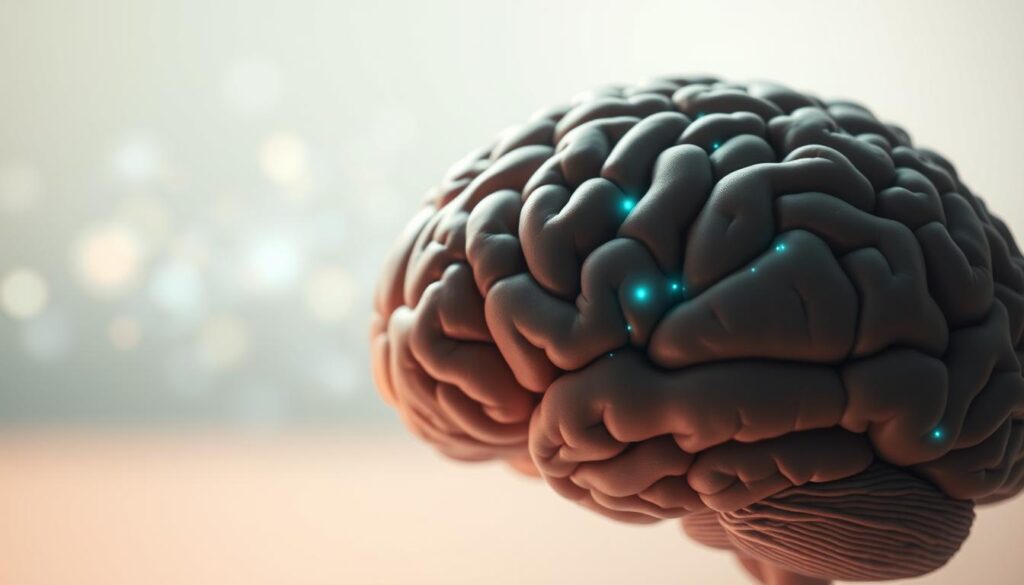
Persistent low mental energy changes how the brain handles simple tasks each day.
Define the state: a lasting drop in cognitive energy makes it harder for the brain to hold attention, handle information, and pull up memory when needed. This is common in many adults and can affect work and home life.
How fatigue affects attention, memory, and processing speed
Fatigue reduces the ability to resist distraction. Focus fades faster, and lapses happen more often during routine activity.
Sleep loss and accumulated tiredness slow reaction times and lower processing speed. Errors and frustration rise when the brain works harder just to do basic steps.
Memory often suffers in two ways: weak consolidation of new details and trouble retrieving facts under pressure. Exercise and brief meditation may improve brain structure and function, but more research is needed.
“Adequate sleep — generally seven to nine hours for most adults — boosts recall and cuts down on mental wear.”
| Factor | Effect on brain | Practical tip |
|---|---|---|
| Sleep loss | Slower processing speed, worse attention | Prioritize 7–9 hours nightly |
| Overstimulation | More distractions, lower tolerance | Use quiet, structured practice sessions |
| Low activity | Reduced memory consolidation | Add brief walks or light exercise |
Keep sessions short and track a few markers — session length before tiredness, attention lapses — to match activity to current ability. Seek clinical help if symptoms worsen or limit daily life.
What makes a game “stamina-boosting” for the brain
A reliable training activity helps the brain keep attention long enough to build real gains.
Look for tasks that train sustained attention in a calm setting. Low sensory noise, clear rules, and steady pacing let the mind practice without overload.
Gradual difficulty matters. Small, predictable ramps let users build skills and protect health by avoiding sudden spikes in challenge.
Key criteria
- Target sustained attention with short, repeatable sessions.
- Use gradual levels so progress is steady and measurable.
- Limit overstimulation: simple visuals and predictable timing.
- Build in short rests to keep quality of focus high.
- Alternate task types to spread demand across functions.
Visualization features can help organize information and boost decision skills during practice. Evidence shows structured brain training can improve processing speed and overall performance when goals are realistic and practice is consistent.
Keep brief logs of minutes focused, correct items, or levels completed. Personal enjoyment helps long-term adherence and steady gains in training outcomes.
Cognitive stamina games for adults with chronic mental fatigue
Short, low-key exercises help the brain build tolerance for longer focus periods.
Choose low‑stimulation options that fit short sessions and clear stopping rules. Crosswords, number puzzles, and jigsaw puzzles support memory and pattern work. Word drills and reading-to-writing tasks boost retrieval and verbal fluency.
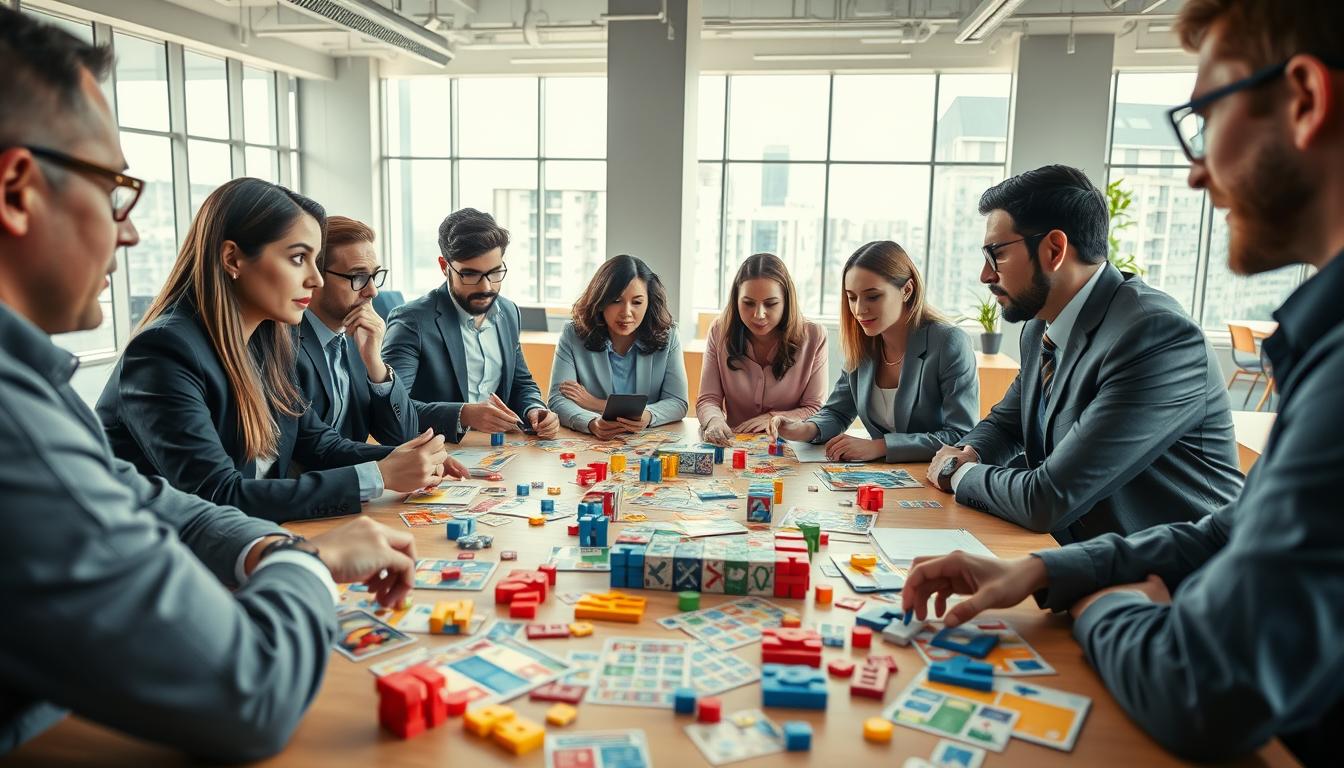
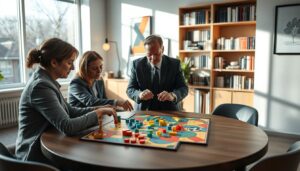
Strategy play like chess, card rounds, or cooperative board titles trains planning and self-control in modest bouts. Digital brain training can aid processing speed when you set time limits and concrete goals.
Movement-based activity—gentle dance steps, tai chi sequences, or simple sports drills—pairs physical balance with learning new skills. Social play, such as discussion prompts or co-op board play, adds motivation and mood benefits.
| Activity Type | Target ability | Session length | How to scale |
|---|---|---|---|
| Crosswords & puzzles | Memory & recall | 10–20 min | Increase clues or grid size |
| Word drills & reading-writes | Retrieval & fluency | 8–15 min | Longer passages, timed recall |
| Board/card strategy | Planning & self-regulation | 15–30 min | Longer turns, record outcomes |
| Movement sequences | Learning new skills & balance | 10–20 min | Add steps or patterns gradually |
Pick one or two new skills to learn and track simple markers: clues solved, minutes sustained, or levels reached. Small, steady progress yields measurable benefits and better long‑term health.
Puzzle-based brain boosters to build endurance
Low‑noise puzzles give steady practice that trains recall, spatial reasoning, and flexible thinking.
Crosswords and language recall
Crossword work targets recall and lexical access. Short, timed sets strengthen language functions and memory retrieval.
One randomized study in people with mild cognitive impairment found computerized crosswords improved cognitive function more than other computerized tasks.
Jigsaw puzzles and visuospatial skills
Jigsaws train perception, mental rotation, working memory, and reasoning. They are calming and low in sensory load, allowing longer, steady sessions.
Number puzzles (sudoku) and reasoning
Sudoku and similar number tasks require logic and cognitive flexibility. Observational research links frequent number-puzzle use to stronger baseline cognition in older adults.
Visualization drills to plan and decide
Short visualization exercises map steps and imagine routes. They act like mental puzzles that reinforce planning and decision-making with little external distraction.
- Start small: five clues or one puzzle section, rest, repeat.
- Progress slowly: mini crosswords → larger grids; edge pieces → complex jigsaws; easy → moderate sudoku.
- Log minutes focused and correct items to track gains in memory and brain function.
Keep good posture, warm light, and quiet space to reduce overstimulation and protect health while you exercise these skills.
Word and language activities that sharpen cognitive abilities
Daily language practice can strengthen memory and build new brain connections.
Vocabulary-building mini-sessions
Try a short daily routine: pick one word, learn its meaning, and use it in two sentences. Repeat that across varied topics.
Research links richer vocabulary practice to increased gray matter engagement, which supports long-term memory and verbal skill.
Learning a new language
Learning new languages trains listening, reading, and speech systems together. This multi-modal work may strengthen brain connections and delay decline.
Keep lessons brief and focused: 10–15 minute blocks, spaced over the day, reduce overload while boosting retention.
Reading-to-writing drills
Read a short paragraph, close the page, summarize aloud, then write two sentences. This simple loop trains recall and verbal fluency without long study sessions.
Use tools such as spaced-repetition apps, picture-word cards, and short shadowing exercises to support steady progress.
- Blend modes: listen to a 60-second clip, write a two-sentence summary, then rest.
- Personalize content to life interests to keep practice meaningful and motivating.
- Weekly checkpoint: note new words learned, recall accuracy, and comfort level; adjust pace if needed.
“Small, repeated language challenges can enhance connections across brain networks and support long-term resilience.”
Strategy and board games that train executive functions
Turn-based play creates clear windows to exercise foresight, working memory, and impulse control.
Strategy play gives a controlled setting to practice planning and attention shifting. Short sessions and simple rules let the brain rehearse steps without overload.
Chess: planning and information processing (with caveats)
Chess trains long-range planning and complex decision chains. Some research links play to larger brain volume in at-risk groups, while reviews show limited benefit once dementia is established.
Choose chess if it fits interest and energy. If decline is present, prefer gentler matches and guided play.
Card and modern board titles for task-switching and self-control
Card games like solitaire or gin rummy and modern board titles practice task-switching and working memory. Pick low-stimulus options with clear turns to limit overload.
- Keep rounds short and use timers to avoid overexertion.
- Track simple metrics: turns sustained without errors, rounds completed, or focused minutes.
- Use cooperative titles to lower pressure while still training executive skills.
Evidence from a 2023 meta-analysis and other study work suggests traditional play can slow cognitive decline and support function. Alternate strategy sessions with lighter activities on adjacent days and watch for rising errors or frustration. Adjust complexity slowly as performance and health allow.
Digital brain training and selective video games
Well-designed apps can boost processing speed without overloading daily routines.
Some evidence shows brain training apps improve processing speed and other measures in older adults. Choose modules that list clear goals, stepwise difficulty, and built-in rest prompts. Short, timed sets of 5–10 minutes work best to train attention while limiting strain.
Evidence-based brain training apps for processing speed and attention
Look for apps backed by peer-reviewed study results or university partnerships. Prioritize tasks that allow gradual progress and track scores or levels. Mix brief language micro-lessons or logic puzzles inside a session to engage multiple functions.
Video games for reaction time and attentional control (use with moderation)
Some video play can help reaction time and task switching, but effects vary and high-stimulus titles can harm sleep and mood. Use low-intensity options, set strict time limits, and avoid late-evening sessions to protect overall health.
| Type | Target | Session | How to use |
|---|---|---|---|
| Evidence-based apps | Processing speed, attention | 5–10 min daily | Follow level steps, take breaks |
| Mixed-modality apps | Working memory, language | 8–12 min | Blend puzzles and micro-lessons |
| Selective video titles | Reaction time, task switching | 10–15 min occasional | Low stimulation, strict limits |
| Traditional puzzles | Recall, transfer | 10–20 min | Alternate with screen sessions |
Track scores, levels, and subjective fatigue to tune session length. Rotate modules across the week—processing, attention, working memory—to spread demand. Consistent, modest training often beats sporadic intense practice for durable cognitive function gains.
Movement-based “games” that lift cognitive performance
Small bouts of movement that require sequence learning help the brain and body work together.
Present these movement options as low‑pressure activities that blend steps, sequences, or drills. They act like playful practice that supports physical activity and learning new patterns without high strain.
Dance routines to train memory and flexibility
Short choreographies with repetition build memory and cognitive flexibility. Use 5–10 minute routines, repeat the same sequence three times, then rest.
Tai chi sequences for connections and calm focus
Slow, linked movements combine attention, breath, and balance. Studies show tai chi supports brain connections and may help memory and balance in later age.
Skill-demanding sports elements to sharpen attention
Simple rally drills or target practice train rapid adaptation and sustained attention. Keep sessions timed and low-pressure to protect health and reduce overload.
- Use quiet spaces and clear cues to limit sensory load.
- Alternate movement days with seated practice to spread effort across systems.
- Progress slowly: add one step after mastery or lengthen sequences by 20–30 seconds.
- Log steps recalled, sequences completed, or minutes maintained to track performance.
Social play as a stamina strategy
A friendly group activity can gently stretch attention and lift mood in small, repeatable doses.
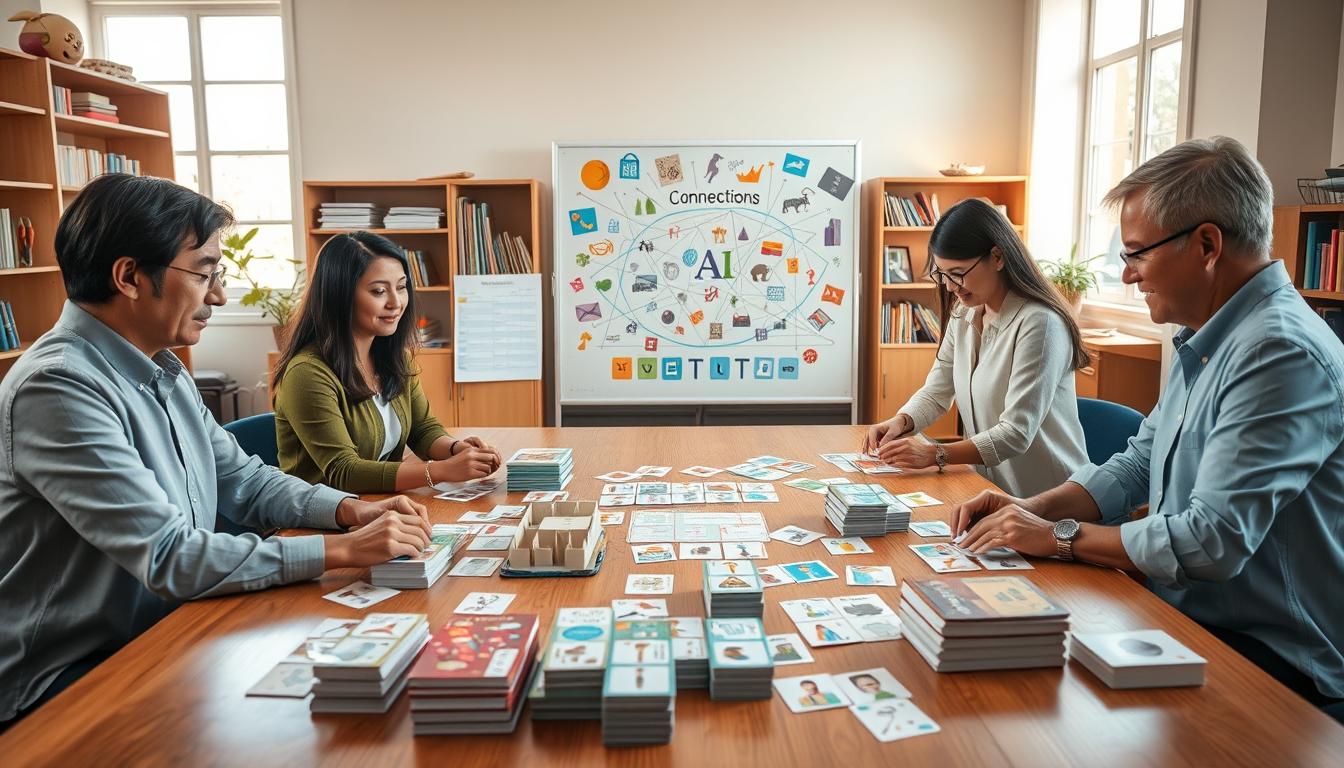
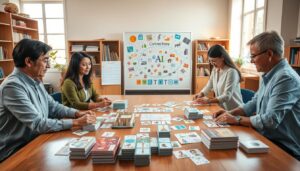
Group play and guided discussions give people a low-pressure platform to practice attention, memory, and quick responses inside a supportive setting.
How social sessions help the brain and mood
Long-term research links frequent social contact to a lower risk of cognitive decline and dementia. Regular social activities that mix talk, light tasks, and mild competition support memory and overall health in later life.
Practical tips
- Choose short, predictable sessions (about 30 minutes) to build tolerance and avoid overload.
- Favor cooperative or low-pressure games and discussion prompts that encourage turn-taking and listening.
- Learn new skills together—simple card rules or trivia variants add novelty and boost engagement.
- Reduce overstimulation with small groups, quiet venues, and clear rules.
- Use remote options (video calls with word or trivia rounds) and keep breaks and fixed end points.
- Track one simple marker: recall three key details from a round and review them later to reinforce memory.
Enjoyment and inclusivity increase the chance people will keep attending. Mix social play with solo practice across the week to widen challenge and support steady gains in brain function and life quality.
Restorative practices that extend mental stamina
A brief set of calming practices can lengthen your daily focus and reduce wear on the mind.
Meditation and mindfulness to reduce fatigue and improve executive function
Try 5–10 minutes of breath-focused attention each day. Sit comfortably, follow the breath, and gently return attention when it wanders.
Short sessions calm the mind, sharpen attention control, and set a better stage for later exercises. A few studies show meditation may change brain structure and help function, though more research is needed.
Sleep optimization to consolidate memory and reduce mental fatigue
Most adults need 7–9 hours nightly. Consistent sleep boosts memory recall, cuts daily tiredness, and stabilizes mood and reaction times.
Use a steady schedule, device curfews, a cool dark room, and a wind-down routine to protect sleep architecture and overall health.
| Practice | Time | Primary benefit |
|---|---|---|
| Breath meditation | 5–10 min/day | Attention regulation, calm |
| Mindful micro-breaks | 1–3 min between sets | Recharge focus, reduce overstimulation |
| Sleep routine | 7–9 hrs/night | Memory consolidation, energy |
Pair these with light physical exercise such as walking or tai chi to amplify benefits to brain function and physical activity. Track sleep time and perceived restfulness alongside practice results to see how recovery shapes performance.
How to structure a gentle, progressive brain-training plan
Start with a gentle weekly plan that balances short practice and restful breaks.
Begin with 10–20 minute sessions once or twice a day. Leave at least as much rest between sets as the session length. This protects attention and helps the brain recover before the next activity.
Alternate tasks across the day and week. Do puzzles or an analog task in one slot and a brief brain training module in another. That reduces screen strain and spreads demand across memory, processing, and language.
Starter schedule: short bouts, spaced practice, and alternating task types
- Session mix: one digital module for processing or attention plus a small crossword or word exercise to improve memory and verbal fluency.
- Progression rule: add 2–5 minutes or a mild difficulty increase only if you recover quickly and feel no lingering tiredness later that day.
- Physical support: include light physical exercise on alternate days (short walks, tai chi basics) to boost brain readiness and overall function.
- Check-ins: two to three times weekly note times tolerated, attention steadiness, and recall accuracy to tailor activity choice.
- Stop rules: end a set when focus slips repeatedly or fatigue signs appear, then log the outcome and rest.
- Mix solo and social play across the week to keep motivation high while maintaining low intensity.
Revisit favorite activities after successful weeks at slightly higher difficulty and use a simple log to visualize trends. Align training and exercises with personal goals—like remembering names or planning errands—to make practice directly useful and more likely to stick.
Safety, pacing, and when to seek professional guidance
Put safety first: easy sessions and clear stop rules protect progress and health.
Pick low‑overstimulation formats, short blocks, and sharp end points. Stop early if symptoms worsen to protect overall health and reduce risk of setbacks.
Be honest about current abilities. Build rest days into weekly plans and vary tasks to avoid cumulative strain in daily life.
If tiredness is severe, worsening, or comes with new symptoms, consult clinicians such as neurologists or occupational therapists. People with sleep or mood disorders often benefit from integrated care alongside practice plans.
- Start smaller than you think; only extend when recovery is reliable.
- Use simple logs to record triggers, best times of day, and tasks that feel restorative versus draining.
- Mind medication timing, hydration, and nutrition around sessions to support brain readiness and exercise tolerance.
- Adapt movement exercises for mobility limits and seek guidance before new routines if medical issues exist.
One well-chosen set of skills practiced consistently usually beats a crowded plan that overwhelms. Celebrate small wins and adjust expectations based on weekly feedback and life balance.
Sources and research that inform these recommendations
A growing body of studies links certain activities to measurable brain benefits.
Randomized and observational work supports several practical options. Crosswords have shown benefit in mild impairment, and jigsaw and number puzzles engage multiple skills in older age ranges.
Apps that track progress often improve processing and attention in later life when used in short, structured sessions. Social contact and group play correlate with lower long‑term dementia risk.
- Board and card play show slower decline in some cohorts, though task fit matters.
- Dance and tai chi trials report gains in memory, flexibility, and connectivity.
- Vocabulary work and bilingualism link to structural and connectivity changes that may protect brain function.
- Sleep (7–9 hours) boosts memory and processing; deprivation impairs reaction and mood.
| Evidence type | Observed benefit | Key takeaway |
|---|---|---|
| Randomized trials | Memory, balance gains (dance, tai chi) | Short, repeatable practice yields measurable change |
| Observational studies | Better baseline function (puzzles, vocabulary) | Regular engagement links to longer-term resilience |
| App-based studies | Processing speed, attention | Use brief modules with rest prompts |
Overall, benefits depend on consistency, pacing, and personal fit. Use these findings to shape low‑stimulation, progressive practice plans that match health and goals.
Conclusion
Short, gentle practice helps the mind build reliable focus without overwhelming energy reserves.
Use a stamina-focused plan of brief, calm sessions that respect rest. Mix puzzles, language mini-sessions, low‑stimulation games, and light movement to train memory and attention while protecting overall health.
Pair these exercises with meditation, sleep optimization, and physical exercise to boost daily function and life quality. Track simple markers—minutes focused, items recalled, and perceived fatigue—to guide steady adjustments.
Improvements vary, but modest gains in brain function and confidence add up. If symptoms persist or worsen, seek professional guidance. Pick one small step today and build on it next week.