Recall-focused educational games for adults resuming academic life after long breaks
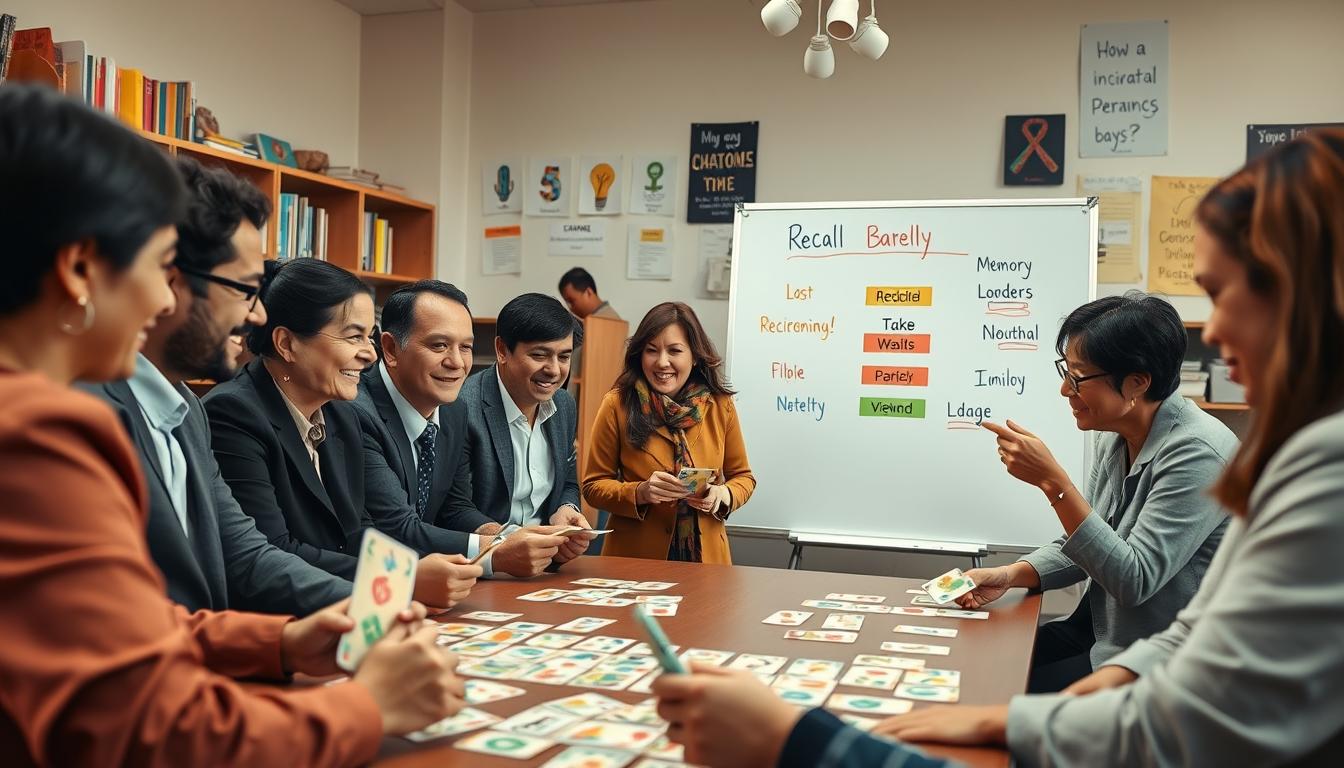
Can a simple game night or a short puzzle session actually reboot your study skills? That question guides this quick primer on using playful practice to warm up memory and attention before classes, readings, or exams.
Short, targeted activities—Sudoku, crosswords, Scrabble, matching sets, and quick mobile brain-training apps—offer a great way to rebuild focus without heavy time or cost commitments.
Read-aloud book clubs and weekly game nights add social connection while giving your brain steady challenge. These habits can improve memory, lower stress, and help sleep patterns, all of which support study success.
This listicle will highlight practical puzzles, card and board options, group ideas, and apps chosen for real-world benefits. Treat each activity like a mini study drill: a few minutes daily can boost attention, confidence, and the learning skills you need for lectures and tests.
Why recall-focused games are a smart, fun way to rebuild memory and study skills
Brief, playful tasks offer a low-pressure route to rebuild focus and sharpen memory skills. These activities encourage repetition and steady progress without the strain of formal drills.
How games help improve memory, focus, and confidence
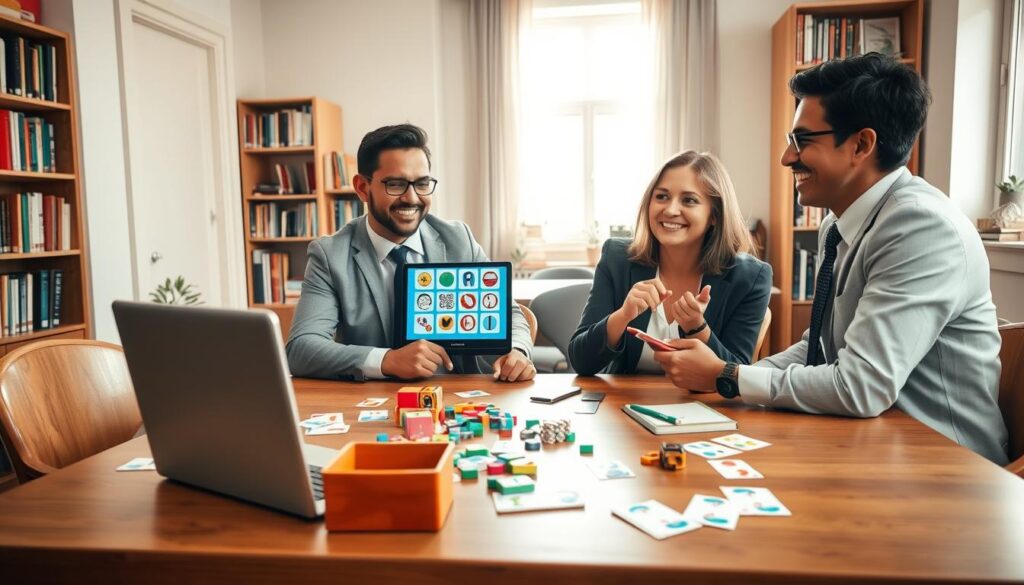
Structured play gives repeatable challenges that strengthen attention and recall. Short wins in a game build a sense of progress and boost confidence. That carryover helps with reading, note-taking, and review.
“Consistent, targeted practice rewires pathways and makes everyday study tasks feel easier.”
Using game-based training to support neuroplasticity during your academic comeback
Neuroplasticity means the brain can rewire after loss or long breaks. Start simple, track scores, and mix types of activity. Time-limited rounds train sustained attention similar to test conditions.
| Benefit | How it helps | Quick tip |
|---|---|---|
| Attention | Repeatable tasks build concentration | Try 5–10 min daily |
| Memory | Rehearsal strengthens recall networks | Increase difficulty gradually |
| Mental health | Short wins reduce stress and raise motivation | Pick activities you enjoy |
Puzzle power: classic brain training to improve memory, attention, and problem-solving
Classic puzzles deliver quick, focused practice that sharpens attention and primes your mind for study tasks.
Crossword puzzles to strengthen vocabulary, word retrieval, and language skills
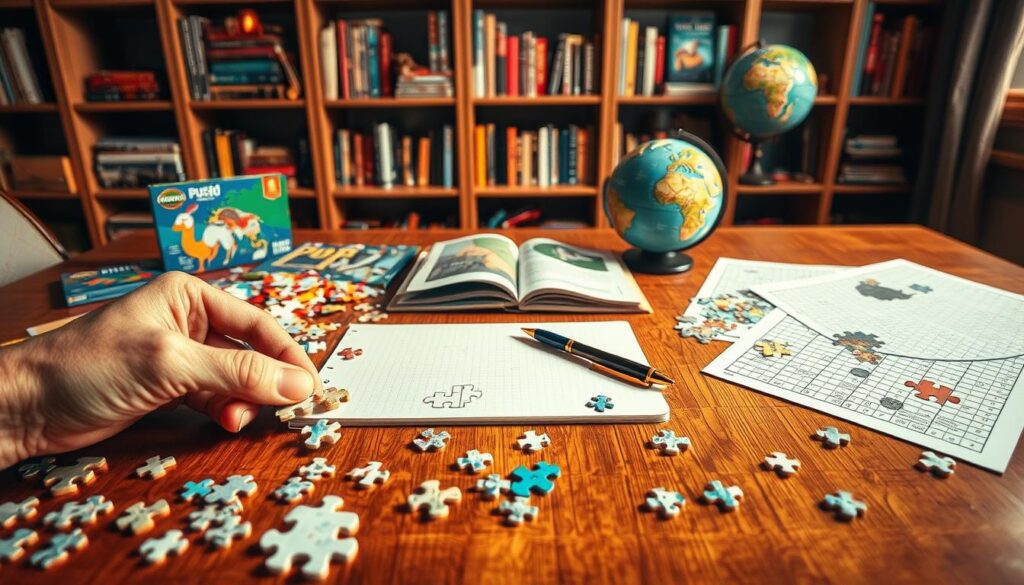
Crossword solving rebuilds verbal fluency by linking clues with synonyms and cultural references. This practice helps you pull up terms faster during class discussions and essay drafting.
Word search puzzles for visual scanning, spelling patterns, and concentration
Word search drills train visual scanning and pattern recognition. Use larger print or shorter word lists to lower difficulty while you build steady concentration.
Sudoku to train working memory, sequential reasoning, and decision-making
Sudoku asks you to hold possible numbers and eliminate options across rows, columns, and squares. That demand strengthens working memory and improves decision-making under timed conditions.
Jigsaw puzzles for visuospatial memory, coordination, and calming focus
Jigsaw work supports spatial mapping and visual detail recall. Start with fewer, larger pieces to stay confident while you develop focus and stamina.
“Short, daily puzzle practice builds reliable gains you can track through faster solves and harder levels.”
- Puzzles are an efficient brain training method that improve memory and attention with escalating challenge — a great way to prep for study tasks.
- Adjust difficulty to match skill: smaller grids, fewer letters, or fewer-piece jigsaws keep momentum steady.
- Use brief warm-up sessions before reading or problem sets to prime concentration and memory.
Card and matching games that make recall practice a great way to keep the brain sharp
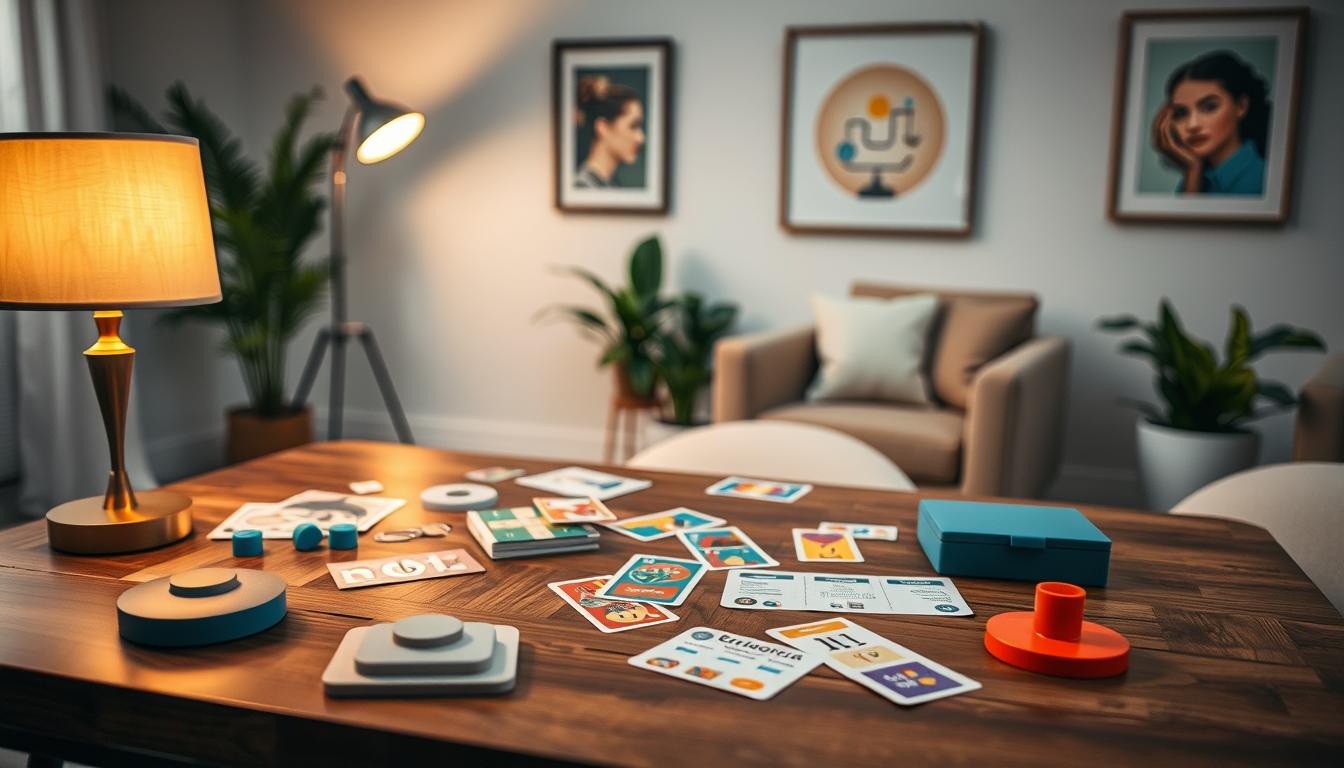
A few simple cards and a matching deck turn short breaks into targeted practice. These portable activities train visual recall and sequencing without heavy setup.
Memory matching cards
Flip-and-find sets challenge visual and spatial memory. Adjust deck size to lower or raise difficulty and get immediate feedback with each correct pair.
Uno
Uno demands situational memory and rapid rule recall. Tracking colors, numbers, and action cards like Reverse or Skip trains working memory and decision speed.
Go Fish
Go Fish supports short-term verbal memory in a low-pressure social setting. Asking and answering builds confidence in remembering recent information.
Solitaire
Solitaire develops planning, sequencing, and self-paced problem solving. Digital versions add visual prompts to help you scale complexity as ability grows.
| Option | Primary benefit | How to adapt |
|---|---|---|
| Memory matching | Visual recall, quick feedback | Change deck size or add a timer |
| Uno | Working memory, fast decisions | Play with fewer action cards |
| Go Fish | Verbal memory, social practice | Limit ranks or allow hints |
| Solitaire | Planning, sequencing | Use digital hints or undo options |
Tip: Rotate these options weekly, invite family for short sessions, and use timed rounds to build sustained focus without pressure.
Board and word games to build language, strategy, and recall in a social setting
Board play with word challenges blends strategy and verbal practice in an easy, repeatable format.
Scrabble supports vocabulary retrieval and pattern recognition. Remove strict timers or focus on shorter words to lower pressure. That helps you pull up academic terms and prefixes more quickly during note-taking and exams.
Boggle trains rapid visual scanning, spelling, and word retrieval inside a timed grid. Short rounds mimic quiz conditions and sharpen quick access to words and letter patterns.
Simon strengthens sequence memory and multisensory processing with expanding tone/light patterns. It also engages motor coordination, which helps when following multi-step instructions or lab protocols.
“Small-group play boosts motivation, attention, and accountability—key ingredients for steady progress.”
- Play cooperatively, add longer turns, or use digital versions with larger text to reduce visual strain.
- Short, repeatable rounds make this a great way to build memory and planning skills without overload.
- Group sessions add conversational recall and peer teaching that reinforce learning.
Group and movement-based activities that combine recall, coordination, and community
Active group activities build sequence memory and motor planning while strengthening social bonds and focus.
Music recognition trivia
Play short clips and ask players to name the song or year. Music taps long-term emotional memory and lifts mood. That makes practice a more enjoyable way to strengthen recall.
Twenty Questions
Use strategic yes/no clues to narrow choices. Players must hold prior answers in mind, which trains working memory and sustained focus.
Story chain
Each person repeats what came before and adds one sentence. This builds sequencing and forces attention to earlier details.
Home scavenger hunt
List a few things to find, map a quick route, and time the run. Limit items for accessibility and clearer planning practice.
Movement sequence chain
Add a dance or gesture each turn and repeat the full set. This links motor coordination with memory sequencing, like a kinesthetic Simon.
| Activity | Main benefit | How to adapt |
|---|---|---|
| Music trivia | Emotional memory, mood | Use familiar songs, short clips |
| Twenty Questions | Strategic thinking, working memory | Limit objects, allow hints |
| Story chain | Sequencing, verbal memory | Use visual prompts or keywords |
| Movement chain | Motor planning, coordination | Simplify moves, keep short rounds |
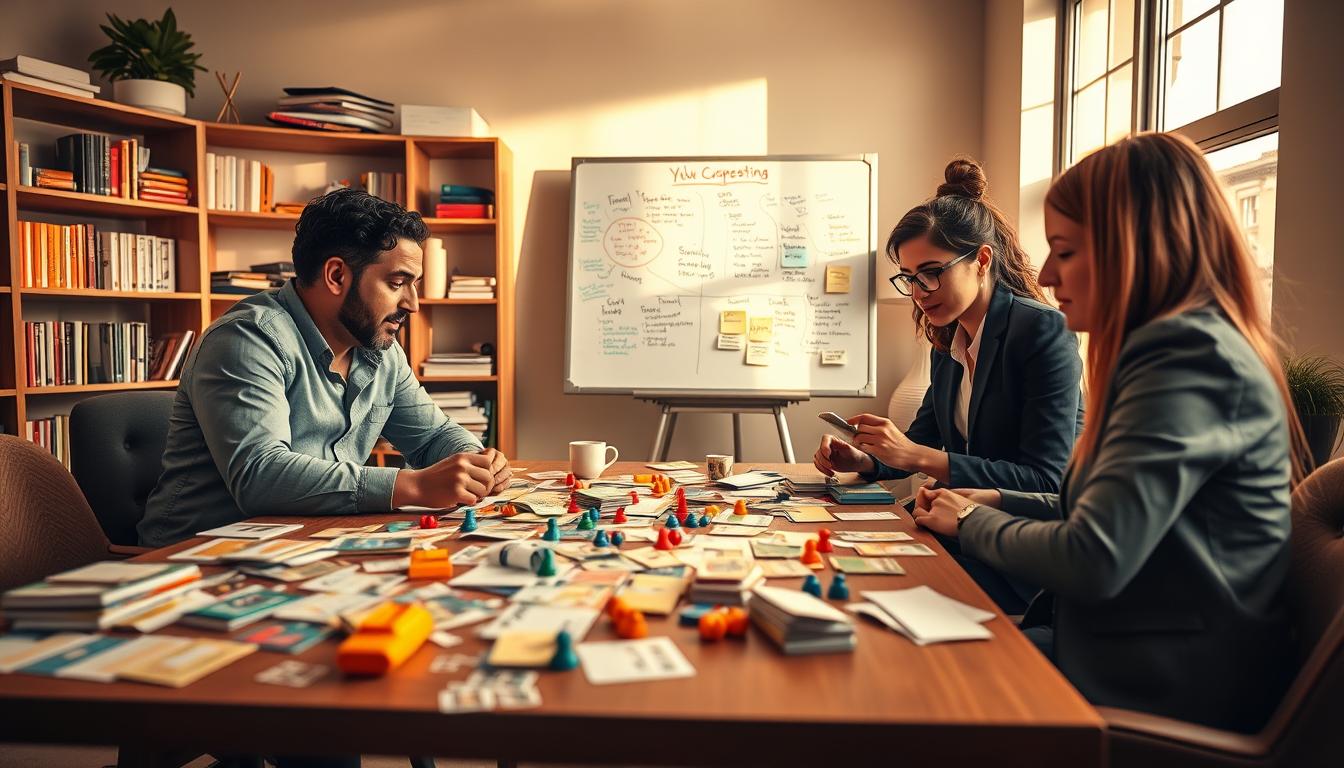
Invite family or study partners. Group play builds a sense of accountability and community that keeps practice on track. Short, frequent sessions are a great way to boost brain stamina without fatigue.
Brain training apps and digital tools: portable ways to improve memory over time
Pocket apps let you squeeze short, focused brain training into commutes and coffee breaks. These tools make it simple to track tiny gains and keep practice consistent without a big time commitment.
Dual n-back: a targeted working memory challenge
Dual n-back asks you to remember both a sound and a visual position several steps back. It is a focused training game that strengthens working memory by stacking auditory and spatial demands.
Picking apps that help you stick with training
Choose brain training apps with clear visuals, adjustable levels, and progress tracking. Look for streaks, reminders, and simple dashboards so you can measure gains without overload.
- Start simple and increase difficulty slowly to avoid fatigue and protect mental health.
- Use short, daily sessions—fits easily into commute or break time and is a great way keep progress steady.
- Toggle audio-only or visual-only modes to target weak spots, then combine modes for integrated practice.
- Mix one app session with a brief recall-oriented game to balance challenge and enjoyment.
How working memory works—and why it matters when you return to studies
Your mind uses a temporary workspace to juggle words, numbers, and images needed for reading, listening, and problem solving. This active system is called working memory and it drives note-taking, exam thinking, and in-class problem solving.
Phonological loop: strengthening verbal short-term memory
The phonological loop holds spoken language and inner voice. Practice language and word-focused activities like saying definitions aloud or quick flashcard drills to rehearse terms used in lectures.
Visuospatial sketchpad: support for diagrams and mapping
This component keeps images and spatial layouts in mind. Try sketching concept maps, doing jigsaws, or mapping notes to boost spatial memory used in diagrams and charts.
Central executive: attention, switching, and planning
The central executive manages focus and task-switching. Multi-step games and timed rounds train this control and improve concentration during study sprints.
- Use dual n-back, chunking, and visualization as targeted brain training.
- Play Sudoku to practice holding alternatives and improve decision speed with numbers.
- Say terms aloud, sketch quick maps, and rehearse sequences to link practice with classroom tasks.
Track small gains in ability and skills; steady practice builds confidence and clear transfer into real study work.
Educational recall games for adults returning to studies after years: top picks and quick-start plan
A compact weekly routine helps improve memory while fitting busy schedules. Start simple, keep sessions short, and pick options you enjoy so practice sticks.
A balanced weekly routine: puzzles, card games, group activities, and apps
Try 10–15 minutes a day rotating puzzles, card play, group activity, and a focused app session. This mix trains verbal, visual, and sequential recall without overload.
Monday/Thursday: puzzles like crosswords, word searches, Sudoku, or jigsaws to build words, pattern scanning, and sequencing.
Tuesday: card practice (matching or Solitaire) for attention and planning; vary deck size to match ability.
Wednesday: a group activity such as Twenty Questions or a story chain. Invite family or a study partner for community support.
Friday: a short app session (dual n-back style) to track progress. Use reminders to keep streaks and log time and scores.
Weekend: a home scavenger hunt or movement sequence chain for active recall and coordination. Add one “learn new” element weekly—new word lists or a harder puzzle level.
On tight days, do a 5-minute rescue round. Adjust the mix based on what you like; enjoyment keeps the brain engaged and helps improve long-term skills.
Conclusion
A mix of puzzles, card rounds, board word play, and brief app drills offers a reliable way to regain mental stamina.
Structured practice with crosswords, Sudoku, jigsaw and matching sets helps improve memory and attention without long time commitments. Short sessions also support mental health and confidence as you rebuild study habits.
Mix puzzles, cards, group activities, and a pocket brain training app to target different memory types and language skills. Use larger fonts, fewer pieces, or shorter rounds to match your current ability and avoid frustration.
Track small wins—faster word retrieval, harder puzzle levels, steadier coordination—and invite a friend for community support. This week, pick one puzzle, one card or matching option, one group activity, and one app to start a steady routine that will help improve memory and academic momentum.