Games
Adult brain training games, Attention control techniques, Attention improvement exercises, Cognitive agility challenges, Cognitive skill building activities, Cognitive training for attention drift, Concentration enhancement activities, Mental focus workouts, Micro-focus games for adults, Mindfulness games for focus
Agatha Christie
0 Comentários
Micro-focus cognitive games designed for adults dealing with constant attention drifting
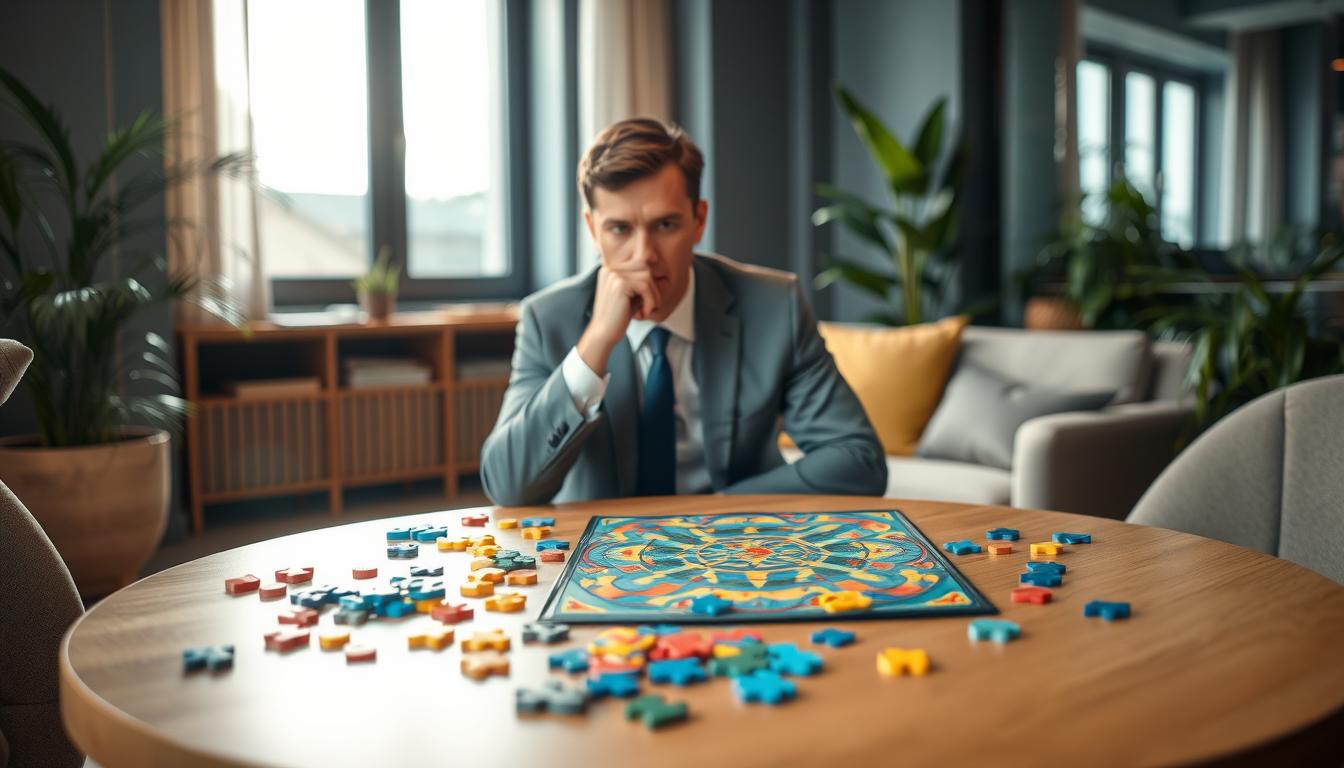
Can a short, simple game sprint really stop your mind from wandering and boost daily focus?
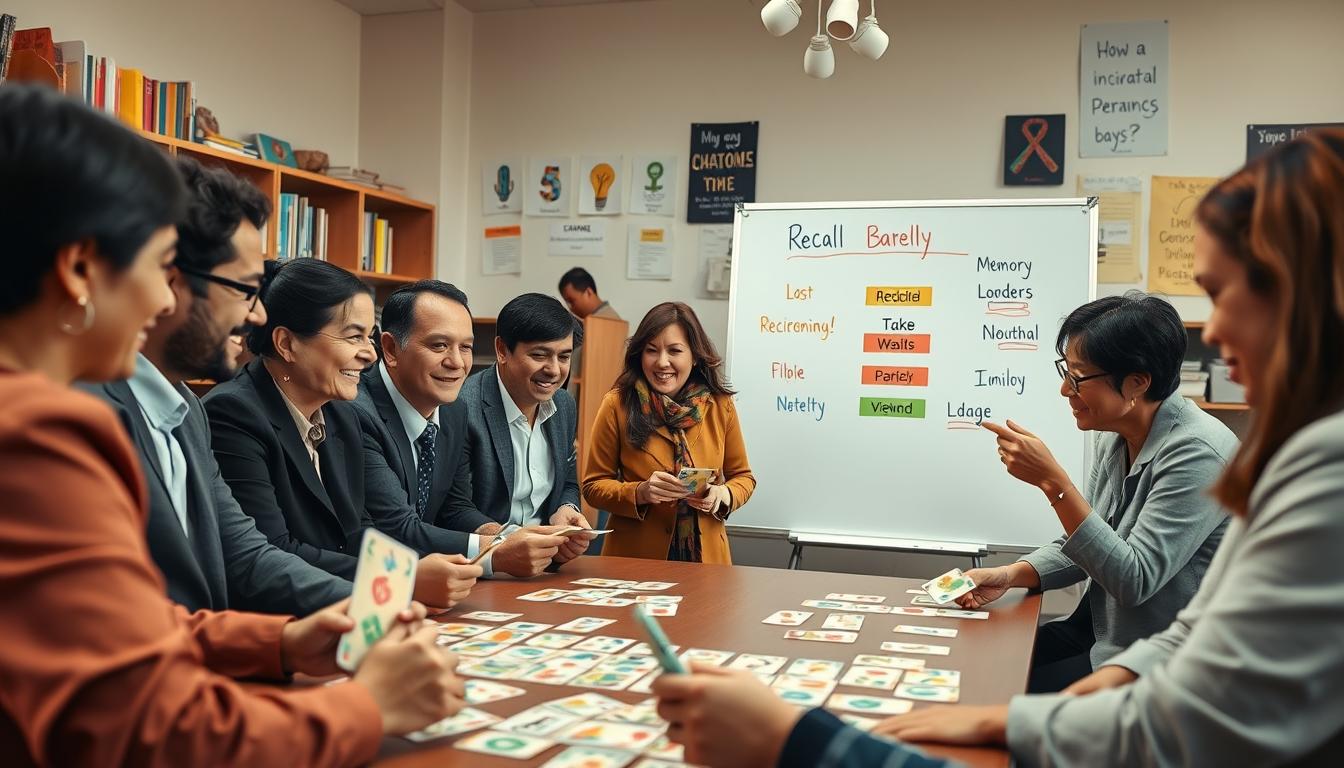
This introduction shows how brief, structured play can give the brain a focused task during short breaks. Think of 5–25 minute sessions that feel doable between meetings or chores.
These brain games and brain training sessions use puzzles like crosswords, Sudoku, and app-based drills to nudge neuroplastic change. Evidence shows gains in attention, processing speed, and memory when people train consistently.
Expect real benefits and limits: most improvements match the trained skills and need steady practice. Pairing play with exercise, good sleep, and social habits helps results stick.
This article helps adults whose attention drifts at work or home. We’ll map app choices, analog puzzles, video picks, and gamified productivity as practical ways to build focus and useful cognitive skills.
Why micro-focus brain games matter right now for adults with attention drift
Quick, focused play offers a practical way to reduce distraction and prime the mind before a task. Short sessions fit into tight schedules and help people reclaim pockets of time during work or commutes.

Research shows measurable gains from modest practice. One study found 15 minutes a day over three weeks improved attention, processing speed, visual memory, and executive functions. Crosswords and lifelong puzzles link to lower dementia risk in other work.
“Less than two hours weekly of structured practice can yield measurable improvements in targeted skills.”
Keep expectations realistic: gains tend to be skill-specific. Training that targets visual memory will boost related tasks, but it won’t transform all brain functions at once.
| Quick option | Session time | Main benefit |
|---|---|---|
| App drills | 10–20 min | Speed & attention |
| Crosswords | 15–30 min | Verbal recall |
| Jigsaw/checkers | 20–45 min | Planning & focus |
Habit design matters: pick a regular slot, choose simple options, and use feedback or streaks to stay motivated. Pair brief training with sleep, movement, and good nutrition to support lasting results.
At-a-glance: Benefits, limits, and what studies say about brain training
Brief mental workouts have been shown to sharpen processing speed and memory over weeks. Several controlled trials report measurable gains when people train regularly for short sessions.
Benefits supported by studies
A three-week Lumosity trial of 15 minutes daily improved attention, processing speed, visual memory, and executive functions. An eight-week NEJM Evidence report found people with mild memory problems showed better cognition and less brain shrinkage after crosswords. Cambridge work links lifelong puzzles and reading to lower dementia risk.

Skill-specific gains and consistency
Most results are skill-specific: practice boosts the exact functions you train. Daily or near-daily training yields steadier results than sporadic play.
Pairing training with lifestyle
Combine short drills with physical exercise, a balanced diet, and social activity to support lasting change. Track time-on-task and weekly scores to spot trends and avoid overtraining.
| Focus | Typical session | Key result |
|---|---|---|
| Attention drills | 10–20 min | Longer sustained focus |
| Memory puzzles | 15–30 min | Improved recall |
| Speed tasks | 5–15 min | Faster processing |
Best clinically backed and app-based brain training platforms
Choosing the right platform matters: medical-grade therapies, research-backed suites, and playful apps each serve different needs. Below are solid options that span clinical authorization, science-backed exercises, and polished daily experiences.
EndeavorOTC
Clinical option. EndeavorOTC is FDA-authorized as an over-the-counter digital therapeutic targeting adult attention. It uses adaptive 25-minute daily sessions, subscription access, and built-in progress metrics to help improve attention function.
Lumosity
Think of Lumosity as a broad mental gym. It offers 40+ short games, a Fit Test baseline, personalized daily workouts, and comparative progress feedback. Freemium access lets you try core features before subscribing.
BrainHQ
BrainHQ emphasizes science. Its dozens of adaptive exercises target attention, processing speed, and memory and cite 100+ peer-reviewed studies. The experience feels like a personalized trainer that nudges challenge and tracks gains.
CogniFit
CogniFit starts with a thorough cognitive assessment, then builds targeted training plans. The platform provides detailed reports so users can see which skills improve over time.
Elevate & Peak
Both apps prioritize polished mini-games and quick sessions. Elevate focuses on reading, math, and memory while Peak provides a Coach feature and about 45 quick challenges to keep the mind engaged.
NeuroNation
NeuroNation concentrates on working memory and concentration workouts. Personalized plans adapt to performance and help reinforce focus and processing speed over weeks.
Match platforms to goals: use EndeavorOTC for clinical attention training, BrainHQ or CogniFit for research-led plans, and Lumosity, Elevate, Peak, or NeuroNation for variety and habit-building. Test free tiers to evaluate features, experience, device support (iOS, Android, web), and budget fit before committing.
| Type | Strength | Access |
|---|---|---|
| EndeavorOTC | Clinical attention training | Subscription, iOS/Android (U.S.) |
| BrainHQ | Research-backed exercises | Web/iOS/Android, subscription |
| Lumosity | Variety & progress feedback | Freemium, web/iOS/Android |
| CogniFit / Elevate / Peak / NeuroNation | Assessment-led or polished mini-games | Freemium + subscriptions, cross-platform |
Micro-focus cognitive games for adults with attention drift
Short, targeted play sessions can sharpen specific skills without stealing a large block of your day. Pick brief, focused challenges that match the skill you want to build and slot them into breaks or between tasks.
Sudoku and number puzzles for logic and working memory
Sudoku trains working memory and critical thinking. Five- to fifteen-minute grids boost number sense and math reasoning without heavy setup.
Crossword puzzles and word games for recall and verbal fluency
Crosswords tap long-term memory and word retrieval. Short routines over weeks can support verbal skills and may help preserve cognitive function.
Chess and SET for planning, pattern recognition, and decision-making
Timed chess puzzles build planning, risk assessment, and sustained focus. SET offers fast rounds that sharpen visual scanning and mental agility.
Portal and curated video games for spatial reasoning and problem-solving
Portal-style levels train spatial reasoning and applied logic through physics puzzles. Controlled play of select titles can also improve visual skills, coordination, and decision speed.
Quick tips: start at easier levels, time short sprints, rotate between number, word, and spatial tasks, and keep sessions fun to sustain practice.
Gamified productivity tools that reinforce attention and routine
Time-boxed reward mechanics give immediate feedback and make staying on task feel like progress. Two popular apps—Forest and Habitica—use game design to reduce distraction and build daily habits.
Forest: time-on-task focus with instant feedback and rewards
Forest lets you plant a virtual tree and starts a timer for a set focus window. If you leave the app mid-session, the tree withers. That immediate outcome nudges people to resist phone checks.
Practical setup: use the Allow List on iOS so essential tools stay available without breaking a session. Pick short timers at first—5–15 minutes—and increase time as your focus improves. Earn coins to unlock species and support real-world tree planting via Trees for the Future.
Habitica: turn tasks into quests for accountability and consistency
Habitica gamifies chores and to-dos into RPG quests that grant XP, gold, and items. Parties and guilds add social pressure and encouragement, which helps people stick to routines.
Start small: add one or two daily tasks, join a party for external accountability, and use streaks and rewards to maintain momentum. Review weekly progress to see how focus time and task completion change.
- Stack tools: run a Forest timer while you complete a Habitica quest or a short brain training session.
- Keep friction low: short timers and few tasks build confidence and training tolerance.
- Use streaks deliberately to reinforce habit strength and the mind’s tolerance for focused time.
| Tool | Main benefit | Access |
|---|---|---|
| Forest | Phone distraction reduction, time tracking | iOS (paid), Android (free + pro), browser |
| Habitica | Routine building, social accountability | Web/iOS/Android, free + optional premium |
Offline and tactile options for screen-free concentration
Screen-free puzzles give your mind a clear task and a calm, hands-on break from digital noise.
Puzzle Warehouse: structured jigsaws to build sustained focus
Puzzle Warehouse carries over 10,000 jigsaws from 100 to 40,000 pieces. Sets are sorted by piece count, theme, difficulty, and brand.
Pick larger-piece, low-frustration options when you need a quick, satisfying win. Move to denser sets as concentration grows.
Amazon picks: brain teasers, logic puzzles, and puzzle books
Amazon offers many mechanical brain teasers and adult puzzle books, often under $20. Use reviews and photos to judge difficulty and build a shortlist.
Start with a handful of straightforward activities and rotate formats to keep things fun.
- Jigsaws train visual scanning and concentration in a tactile way.
- Time-box 10–20 minute analog sessions between digital work sprints.
- Share puzzles with family or friends to make practice social and accountable.
- Track progress: move from simpler kits to complex sets as focus improves.
| Source | Strength | Access |
|---|---|---|
| Puzzle Warehouse | Wide jigsaw selection, U.S. shipping | Online catalog, customer support |
| Amazon | Logic puzzles & books, robust reviews | Web & mobile shopping |
| Starter kits | Low-frustration sets & brain teasers | Under $20, easy entry |
How to build a micro-focus routine that actually sticks
Designing brief, repeatable training slots makes it easier to turn practice into habit. Start small, pick a consistent slot, and treat each session as deliberate practice rather than a test.
Session length and timing: 5–25 minute sprints
Begin with 5–15 minute sprints and scale to 20–25 minutes as tolerance grows. Match sessions to your energy curve: mornings for complex puzzles, mid-afternoon for speed drills.
Difficulty and progression: adaptive levels, graded challenges
Choose tools that auto-adjust difficulty so you stay challenged but not overwhelmed. Move up one level weekly or change tasks to target new skills.
Feedback loops: track results to sustain motivation
Log scores, streaks, and a quick focus rating after each session. Use that feedback to tweak session length and select the right app or analog option.
Mixing modalities: apps, analog puzzles, and movement breaks
Alternate short app training with a tactile puzzle and a two-minute walk. Physical exercise and good nutrition amplify brain gains and help transfer skills into work routines.
Selecting the right game for your goals, budget, and device
Deciding which option to try starts with a simple question: what skill do you want to improve?
Match the task to the skill. Choose an app or physical puzzle that targets attention, memory, logic, word recall, or math practice. This keeps practice focused and measurable.
Compare cost, device access, and features
Free tiers let you sample experience. Try Lumosity, BrainHQ, Peak, Elevate, NeuroNation, or CogniFit before paying. Subscriptions unlock deeper data and adaptive difficulty curves.
- Clinical needs: if attention is the main concern, weigh EndeavorOTC’s U.S. OTC access and clinical design.
- Analog options on Amazon or Puzzle Warehouse cost little up front and suit people who prefer tactile play.
- Plan a mixed toolkit: one app for daily micro-sessions and a jigsaw or book for longer practice.
| Focus area | Best option | Typical cost |
|---|---|---|
| Attention | EndeavorOTC or BrainHQ | Subscription / clinical (U.S.) |
| Memory & word | Lumosity or Elevate | Freemium → Premium $ |
| Logic & puzzle | Puzzle book / jigsaw kits | One-time |
| Speed & challenge | Peak or NeuroNation | Freemium / Subscription |
Revisit your fit every few months. Increase difficulty or switch platforms as skills improve to keep progress steady and motivating.
Safety, expectations, and realistic outcomes
Expect gradual improvements: targeted drills help certain mental tasks more than others. Brain training can boost specific skills, but it rarely offers an instant, universal fix.
What brain games can and can’t do
Studies show training and short exercises produce measurable gains in practiced tasks. Results are usually task-specific: speed, recall, or planning may improve while unrelated functions stay the same.
Set realistic goals. Use training to build skills that help your daily work and concentration, not to expect a full cognitive cure.
When to consider clinical options alongside lifestyle supports
If focus problems significantly impair work or home life, seek clinical evaluation. Clinically validated tools such as EndeavorOTC can offer structured attention training under oversight.
Also pair practice with whole-health supports: sleep, exercise, nutrition, and social activities boost brain health and help training stick.
- Match challenge to current capacity to avoid frustration.
- Track how sessions affect your mind and daily results.
- Use enjoyable activities to protect mental health and sustain habit.
| Signal | Action | Why |
|---|---|---|
| Slow or no progress | Adjust task or timing | Avoid plateau and boredom |
| Daily impairment | Consult clinician | Assess for clinical support |
| Stress or anxiety | Switch to gentler exercises | Protect mental health |
Conclusion
Ten minutes a day of targeted puzzles or app drills can change how you handle distractions. Consistent, small doses of brain games and training games help improve memory, logic, and processing skills when matched to clear goals.
Start simple: pick one app (try a free plan) and one puzzle type, then schedule a 10–15 minute block daily. Rotate crosswords, sudoku, short brain teasers, and app drills to train varied skills and keep practice fun.
Track scores and brief self-ratings so you can see gains in concentration and daily function. Use streaks, rewards, or Forest and Habitica-style tools to sustain motivation.
Pair practice with short exercise and sleep routines. With steady effort, these games and puzzles can boost focus, memory, and real-world performance in small, practical steps.
FAQ
What are micro-focus brain games and how do they help adults who struggle with constant attention drift?
Micro-focus brain games are short, targeted exercises—often 5–25 minutes—that train specific mental skills like sustained attention, working memory, and processing speed. These activities use repetition, adaptive difficulty, and immediate feedback to strengthen neural pathways involved in concentration. When used regularly and paired with breaks and movement, they can reduce mind-wandering and improve on-task time in daily tasks.
How often should I practice these short training sessions to see real improvements?
Aim for a consistent routine: daily or at least 4–5 sessions per week, each lasting roughly 5–25 minutes. Consistency matters more than long, infrequent marathons. Short sprints with gradual progression produce measurable gains in attention and memory over weeks, especially when combined with tracking and feedback to keep motivation high.
Which skills typically improve from this training and what do studies say?
Research shows benefits mainly in attention, working memory, and processing speed. Many studies report task-specific gains—meaning improvements are strongest on trained activities—while some transfer to related real-world tasks. Pairing training with aerobic exercise, proper sleep, and nutrition increases the odds of broader cognitive benefits.
Are there clinically backed digital therapeutics I should consider?
Yes. Some platforms have clinical validation or regulatory recognition. For example, Endeavor Therapeutics has an FDA-authorized digital therapeutic focused on adult attention. BrainHQ and Lumosity also cite research supporting specific exercises. Review study details and, when relevant, consult a clinician to match a program to your goals.
How do puzzle types differ in the cognitive skills they train?
Number puzzles like Sudoku train logic and working memory. Crosswords and word games boost recall and verbal fluency. Strategy games such as chess enhance planning and decision-making. Spatial action games and curated video puzzles improve spatial reasoning and problem-solving. Pick games that map to the exact skill you want to strengthen.
Can gamified productivity tools help reinforce attention routines?
Yes. Apps like Forest encourage time-on-task through rewards and visual feedback, while Habitica turns tasks into quests to build accountability. These tools combine behavioral design with extrinsic rewards to make concentration practice more consistent and enjoyable.
What offline or tactile options work well for screen-free focus training?
Structured jigsaw puzzles, logic puzzle books, and tactile brain teasers provide a low-tech path to sustained attention. Companies like Puzzle Warehouse and curated Amazon collections offer kits that scale in difficulty. Offline options reduce screen fatigue and can improve persistence for longer, uninterrupted focus blocks.
How should I structure a micro-focus routine that sticks long term?
Use short sessions (5–25 minutes), schedule them at stable times, and mix difficulty levels. Start with adaptive tasks that match your current level, then increase challenge gradually. Track progress, celebrate small wins, and alternate digital training with movement breaks and analog puzzles to keep engagement high.
How do I pick the right program based on my goals, budget, and device?
Match the training to target skills—attention, memory, logic, language, or math—and check device compatibility. Compare free trials versus subscription models and read reviews about personalization and progress tracking. Many reputable platforms offer both web and mobile access and clear descriptions of what each exercise trains.
What are realistic expectations and limits of these training programs?
Expect measurable gains in trained tasks and modest transfer to daily activities. Brain training complements, but does not replace, lifestyle supports like exercise, sleep, and social engagement. For significant attention problems or functional decline, seek clinical evaluation—some users benefit from formal therapies or FDA-cleared digital therapeutics.
Are there safety concerns or people who should avoid certain apps or tools?
Most training apps and puzzles are low risk. However, people with seizure disorders should check game content and consult a clinician before using fast-paced video games. Also consider screen time limits to prevent eye strain. If cognitive symptoms are new or severe, consult a healthcare provider rather than relying only on self-guided training.
Do memory and attention drills work better when combined with physical exercise and nutrition?
Yes. Aerobic exercise, adequate sleep, and a balanced diet rich in omega-3s and antioxidants support brain plasticity and amplify training gains. Social engagement and stress management also enhance outcomes. Treat brain training as one part of a holistic plan for cognitive health.
Can free brain-training options compete with paid subscriptions?
Free options can be effective for basic practice and habit building, but paid services often add personalization, adaptive algorithms, detailed progress reports, and richer content. Evaluate the trial versions, check for evidence of efficacy, and choose based on how much guidance and feedback you need to stay motivated.
How should progress be measured during training?
Use in-app benchmarks, timed accuracy, and difficulty progression to track gains. Also monitor real-life indicators like reduced task-switching, longer focus spans at work, and improved performance on routine tasks. Consistent logging and periodic reassessment help maintain momentum and adjust difficulty appropriately.