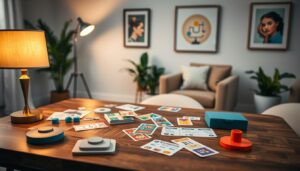
Hyper-focus cognitive training games for adults who struggle to maintain consistent direction

Want a simple way to steady your focus and stop drifting through tasks? Research shows brief, consistent practice can boost specific brain skills. Studies of people using short daily sessions reported gains in attention, processing speed, visual memory, and executive function.
Practical options mix analog and digital tools: crosswords, chess, Sudoku, and vetted apps that track progress. Pick ad‑free programs that scale difficulty so the mind stays engaged and not on autopilot.
Start small — 15 to 20 minutes a day — and set clear goals tied to real tasks. Expect targeted improvements in concentration and task management, and use quick metrics like faster puzzle times or fewer mistakes to keep momentum.
Why hyper-focus training games matter right now
Keeping the brain active with short, varied challenges matters more now than ever.

Experts recommend regular cognitive work to keep the brain resilient as we age. Research does not claim prevention of dementia, but studies suggest these activities can slow or delay decline and support attention and memory.
“Difficulty and variety must increase to avoid autopilot,” says a licensed psychotherapist.
Evidence is clear: just 15 minutes a day over three weeks showed gains in attention, processing speed, visual memory, and executive control in a Lumosity study. Crosswords over eight weeks linked to better cognition and less brain shrinkage in people with mild memory issues.
- Short, progressive sessions build concentration and targeted skills.
- Mix puzzles and language tasks to broaden learning and strengthen the mind.
- Track small wins to keep motivation and measure benefits.
How to choose focus-boosting brain games that actually work
Pick tools that grow with you. Start with options that adapt difficulty and mix task types. That prevents boredom and keeps the mind engaged.

Prioritize progressive difficulty
Choose activities with built-in leveling so each session nudges you forward. If a task becomes effortless, raise the speed, add constraints, or pick a higher tier.
Target specific cognitive skills
Match selections to the domains you want to strengthen: sustained attention, working memory, and processing speed. Use tools that report accuracy and response times.
Keep sessions short and consistent
Block 5–20 minutes daily. Micro-sessions fit busy schedules and still deliver meaningful stimuli.
- Mix analog and digital formats to broaden stimulus types.
- Benchmark a starting point and track progress.
- Prefer ad-free, age-appropriate environments and protect privacy—see our privacy page.
Best hyper-focus training games for adults who lose direction easily
A short roster of proven titles makes it easy to pick an entry point. These selections train planning, recall, and spatial reasoning without long sessions.
Board and tabletop classics
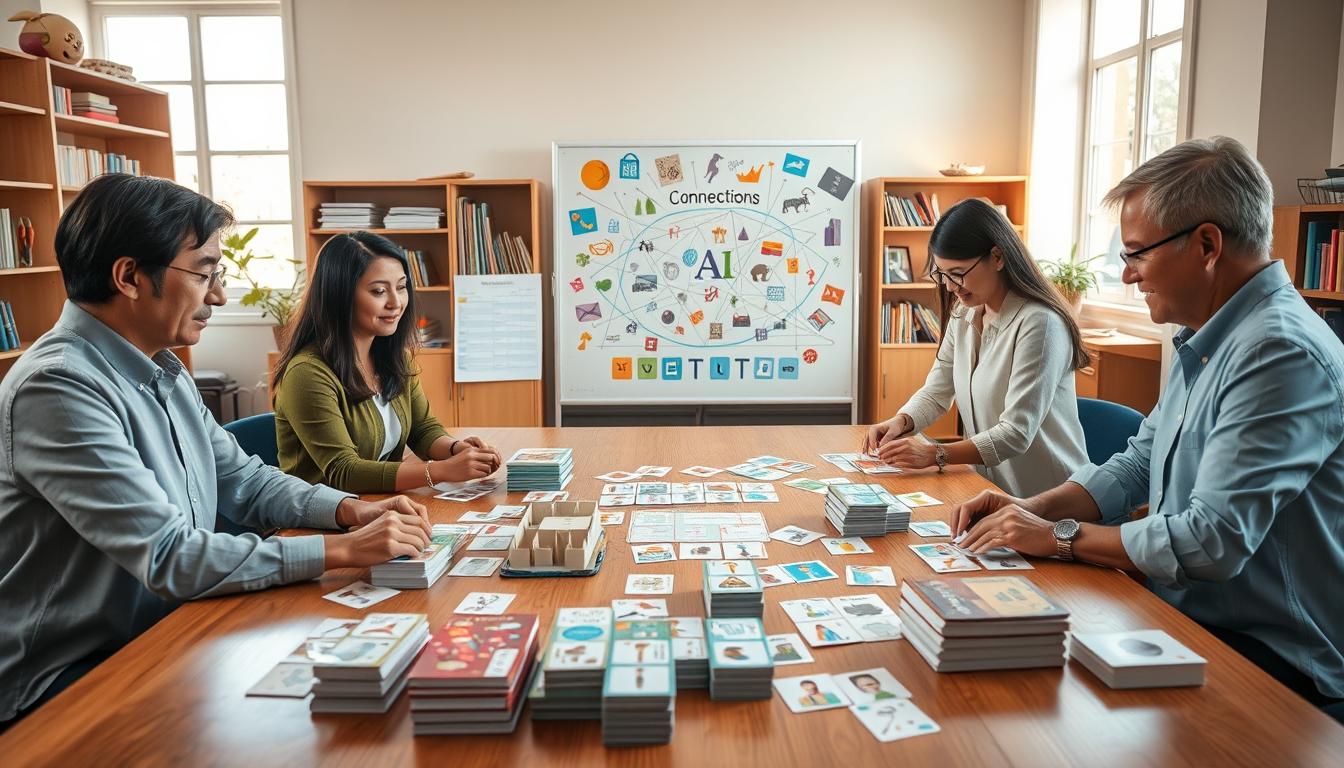
Chess develops strategy, memory, and sustained attention. Rummikub trains sequencing and pattern recognition.
Sagrada and Azul sharpen constraint-based decision-making and spatial planning. Many of these board experiences also work as a family activity.
Word and number workouts
Scrabble and crosswords boost verbal recall and clue-based reasoning. Sudoku forces forward planning and working memory.
The Rubik’s Cube is a compact, algorithmic puzzle that strengthens spatial manipulation on the go.
Digital and video options
Lumosity, Peak, Brainwell, CogniFit, and Elevate offer short, measured sessions with progress tracking. Portal provides video-based spatial puzzles that stretch creative problem solving.
- Mix analog and digital to train multiple brain systems.
- Start at an easy level and increase complexity as you improve.
Quick-start routines to improve focus today
Short, repeatable sessions set up your brain for sustained work. Evidence shows brief daily practice—about 15 minutes per day over three weeks—can boost attention and processing speed. Use simple, portable options so you can stick with a routine.
Five-minute micro-sessions
Run one Rubik’s Cube algorithm, play a mini round of SET, or complete a quick word scramble to prime attention before key tasks. These tiny bursts act as warm-ups and fit into tight schedules.
Ten-minute tune-ups
Do one newspaper Sudoku or a crossword mini to sharpen working memory and verbal recall. Ten minutes is enough time to feel progress and track accuracy.
Twenty-minute training blocks
Alternate a short Lumosity or Peak workout with a chess tactic or a longer puzzle. This blends speeded drills and deeper strategy to improve focus across contexts.
- Bookend your day: morning warm-up and late-afternoon reset to steady energy.
- Task-pairing: use a micro-session right before demanding work blocks.
- Track time and accuracy to make gains visible and keep momentum.
- Calibrate difficulty: raise the level if you breeze through one exercise; drop a notch if you stall.
- Keep it portable: mobile apps and compact puzzles make consistency realistic.
Workday-friendly ways to keep your mind on task
Slot short mental sprints into your day to reset focus without losing momentum. These quick practices fit between meetings and protect your core work blocks. Use mobile drills or social rounds that are brief and purposeful.
Desk breaks that sharpen attention without draining time
Insert 3–8 minute bursts of a focused game at your desk to refresh attention. Choose apps with built-in timers or set one on your phone to protect deep work.
Short, intense modes like Peak or Elevate work well between calls. Stop when the timer ends so breaks stay productive.
Team-building with cognitively rich activities
Schedule a weekly Scrabble or trivia session to mix social bonding with mental exercise. Try SET or a quick card game for pattern recognition sprints.
Low-barrier options like word ladders keep everyone engaged and make the session fun without pressure.
Commute swaps: mobile crosswords, Sudoku, or Elevate drills
Replace passive scrolling with a crossword, Sudoku, or a short Elevate set to convert commute time into training. These portable choices improve focus in small, repeatable doses.
- Micro desk breaks: 3–8 minute focused rounds to reset attention.
- Meeting warm-ups: run a fast drill before presentations to sharpen recall.
- Rotation plan: alternate board, card, and app activities across the week.
- Boundaries: set clear start/stop rules so play supports work time.
- Shared progress: light leaderboards keep motivation light and social.
Measure progress and keep leveling up
Concrete metrics make it easy to see which exercises actually move the needle. Use simple data to turn practice into measurable progress. Many platforms provide built-in analytics to help.
Track KPIs: attention span, task completion time, error rate
Define a small set of KPIs: attention span, completion time, accuracy, and daily consistency. Log results after each session so trends become visible.
Apps like Lumosity, Brainwell, CogniFit, and Elevate show response times and domain scores. MentalUP offers detailed skill analysis reports to support data-driven progression.
Rotate modalities to build broader skills
Schedule varied activities across language, logic, spatial, and strategy categories. This way you develop complementary brain skills instead of improving only one narrow task.
Increase complexity weekly to sustain gains
Raise difficulty every seven days—shorter time limits, fewer hints, or harder levels—to force adaptation. Map KPIs to real work outcomes so your learning links back to a clear goal.
- Use dashboards for granular metrics; log analog game benchmarks to compare apples to apples.
- Capture before-and-after snapshots with one consistent game to show deltas.
- Set micro-goals and alternate hard and light days to balance load and celebrate steady gains.
What brain games can and can’t do
Be realistic about what short sessions will deliver. Reviews show that effects vary. Some studies report clear gains on practiced tasks, while others find little transfer to unrelated abilities.
Skill-specific gains vs. global boosts — set realistic expectations
Evidence from Scientific American summaries and a Frontiers in Human Neuroscience review suggests most improvements are task-specific. In plain terms, success in one activity usually helps similar tasks, not every mental challenge.
“Training often strengthens the exact skill practiced, with mixed evidence for broad transfer.”
Set goals that focus on measurable concentration skills and clear work outcomes. Track progress on the same tasks to see real benefits and note when gains plateau.
Pair cognitive training with sleep, nutrition, and movement
Cognitive practice works best alongside good sleep, balanced nutrition, and regular physical exercise. These lifestyle factors help the brain adapt and improve retention.
- Combine short practice with daily movement to amplify gains.
- Use varied tasks to widen transfer to others and expand real-world benefits.
- Keep routines steady; small daily sessions beat sporadic marathons.
- Watch for plateaus: change difficulty or modality to keep progress moving.
In the modern world, modest, consistent practice can improve cognitive performance for many people. Pairing that practice with healthy habits offers the best chance to keep mind performance high and to see benefits that matter in work and life.
Conclusion
Close the loop: pick a small mix of chess, Sudoku, crosswords, and a couple of apps like Lumosity or Peak. Track accuracy, attention span, and completion time to see what helps your concentration and memory.
Start with one daily 10–20 minute block, then add short sessions before demanding tasks. Rotate puzzles, word challenges, strategy boards, and a video logic title so multiple brain systems get exercise.
Be realistic: expect gains in practiced skills first. Make it social with a weekly family Scrabble or card night to keep practice a fun way to stick with it. Increase difficulty when tasks get easy and watch sharper attention show up in real work.