Concentration-enhancing educational games for adults suffering from inconsistent sleep

Inconsistent sleep can wipe out focus and make routine work feel twice as hard. Short, daily brain activities give your mind quick structure when energy dips. They don’t replace good habits, but they can re-engage attention and boost coordination in small pockets of time.
Brain challenges work across memory, attention control, and executive skills. Apps like MentalUP and classic puzzles both train the networks that suffer most when your circadian rhythm is off. Small, regular sessions help you get traction without long breaks from work.
This guide previews evidence-backed picks, morning-friendly choices for groggy starts, evening wind-down options, and flexible plans to match difficulty to your energy. Expect practical ways to fit practice between meetings, commutes, and naps.
The goal: help you choose the best brain games so your mind stays active and thinking feels easier, even on low-energy days.
Why irregular sleep disrupts focus and how brain games help right now
Irregular rest disrupts the neural circuits that keep us steady and focused during tasks. When timing of rest shifts, networks for sustained attention, working memory, and executive control slow down. That causes lapses, slower processing, and easy distraction at critical moments.
Short, targeted brain games activate neuroplasticity and prime the mind in minutes. Brief sessions train attention and memory without heavy effort. They are a practical way to nudge focus systems back online after a rough night.

| Skill Affected | Quick Game Mode | Immediate use |
|---|---|---|
| Attention control | Five-minute target drill | Shake off fog before work |
| Working memory | Sequence recall challenge | Warm up decision-making |
| Processing speed | Timed puzzles | Speed up routine tasks |
Begin with a calm breathing mini-session if stress or anxiety is high; that often improves later practice. Rotate game types to cover different skills and test short sessions across the day to find the best way to reset focus.
Note: These exercises support brain health but do not replace proper rest or medical care for ongoing sleep problems. They help people of all ages, including seniors, because the mind stays adaptable.
Top app-based brain games to improve attention when your sleep is off
A two-to-five minute digital session can prime your mind and improve task readiness on low-energy days. Use apps that label targets like attention, processing speed, or working memory so each short round maps to the skill you want to train.

MentalUP: science-backed mini games
MentalUP offers hundreds of puzzle-based activities built by academicians and designers. Short, focused rounds train attention, memory, and logic without taking much time.
Brainwell: personalized daily training
Brainwell creates an adaptive plan with progress tracking. Start free and use daily sessions that adjust difficulty to keep drills useful across high and low energy days.
Mindfulness and breathing apps
Pair a calming app before any practice. A short breathing set lowers stress, which makes later attention work more effective and less frustrating.
Console and motion options
Nintendo Wii-style active play engages body and brain at once. Light motion sessions wake the system when sitting feels hard and also support visual and motor skills.
Quick-hit mobile picks
Open Two Dots, 2048, Threes!, or Geometry Dash for a fast mental reset between tasks. Even casual video play, used in moderation, can boost recognition memory and focus if you use it intentionally.
- Track which apps help at different times of day.
- Choose modes labeled for attention, speed, or working memory.
- Pick tools you enjoy so you’ll return when tired.
Classic puzzles and board games that train attention and working memory
C timeless puzzles and board play target memory, logic, and decision speed in short sessions.
Crossword puzzles
Crossword practice reinforces word retrieval and semantic memory. Doing crossword puzzles regularly links to about a 2.5-year delay in memory decline for people who develop dementia. Short daily crosswords boost vocabulary and verbal fluency.
Sudoku
Sudoku is a number puzzle that trains logical sequencing, error checking, and sustained attention. It makes an efficient morning tune-up—five to ten minutes sharpens short-term memory and focus.
Chess and backgammon
Chess and backgammon both build planning, strategy, and faster decision-making. Chess stresses long-term strategy; backgammon mixes luck and quick choices. Both improve task switching when energy is low.
Card matching, solitaire, jigsaws, and word searches
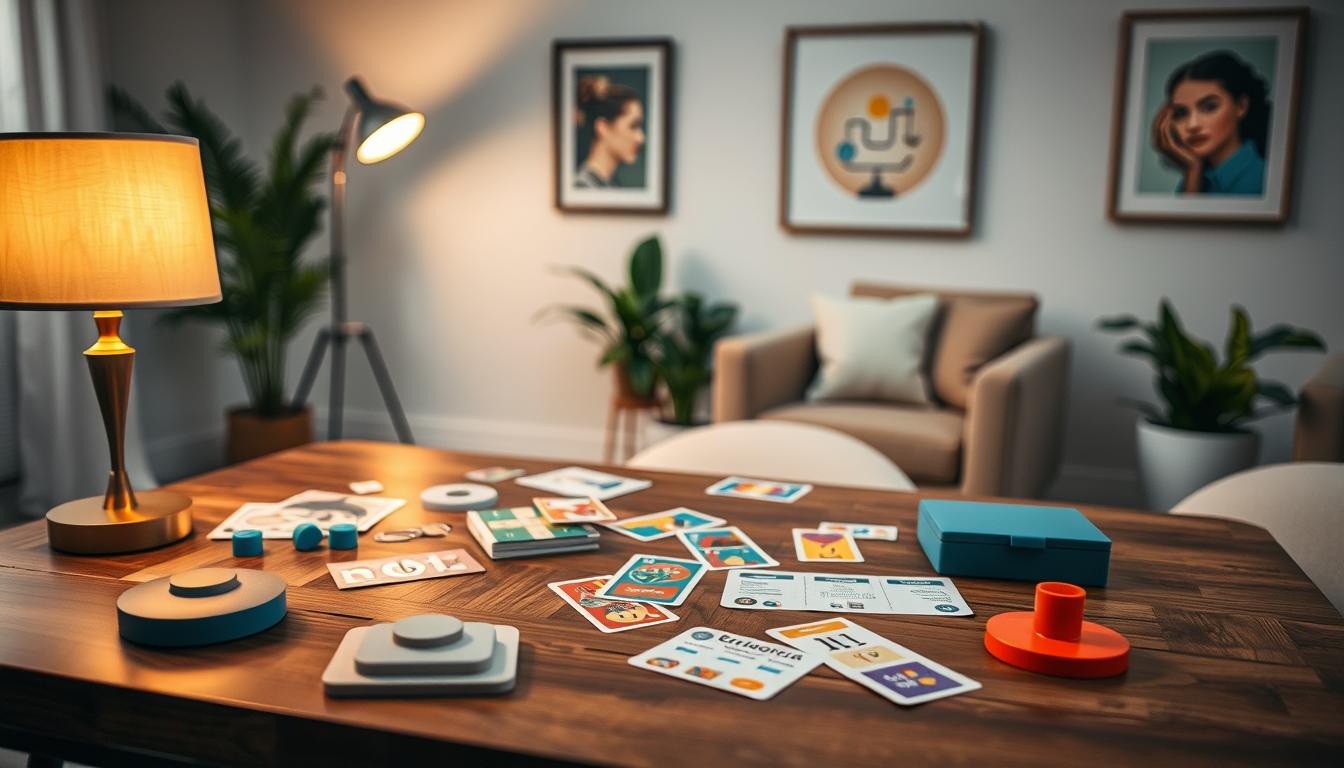
Cards and matching sharpen visual memory and pattern recognition through simple rules you can learn fast. Jigsaw puzzles and word searches train visual scanning and offer a calming, low-screen evening option.
Scrabble
Scrabble grows word knowledge, spelling, and strategic placement. Use large-print boards or secured tiles to keep play accessible for seniors or anyone with motor or vision limits.
| Puzzle Type | Main Benefit | Session Tip | Accessibility |
|---|---|---|---|
| Crossword puzzles | Vocabulary, semantic recall | Short daily puzzles, timed or untimed | Large-print grids available |
| Sudoku | Logic, sequencing | Five-minute morning runs | Easy to scale grid size |
| Chess / Backgammon | Planning, decision speed | Play short timed matches | Adaptive boards and apps |
| Card matching / Solitaire | Pattern recognition, visual memory | Quick rounds between tasks | Large cards, simple layouts |
- Mix difficulty: smaller puzzles when groggy, harder sets when alert.
- Pause and resume around naps; classic formats suit irregular schedules.
- Track which puzzle types most reliably lift attention or improve memory on given days.
Social and creative activities that keep the brain engaged between naps
Low-key social and creative routines keep the mind active between short rest periods.
Book clubs and board game nights
Book clubs spark discussion and memory by turning reading into a shared task. Short meetings let people reflect and practice talking about ideas.
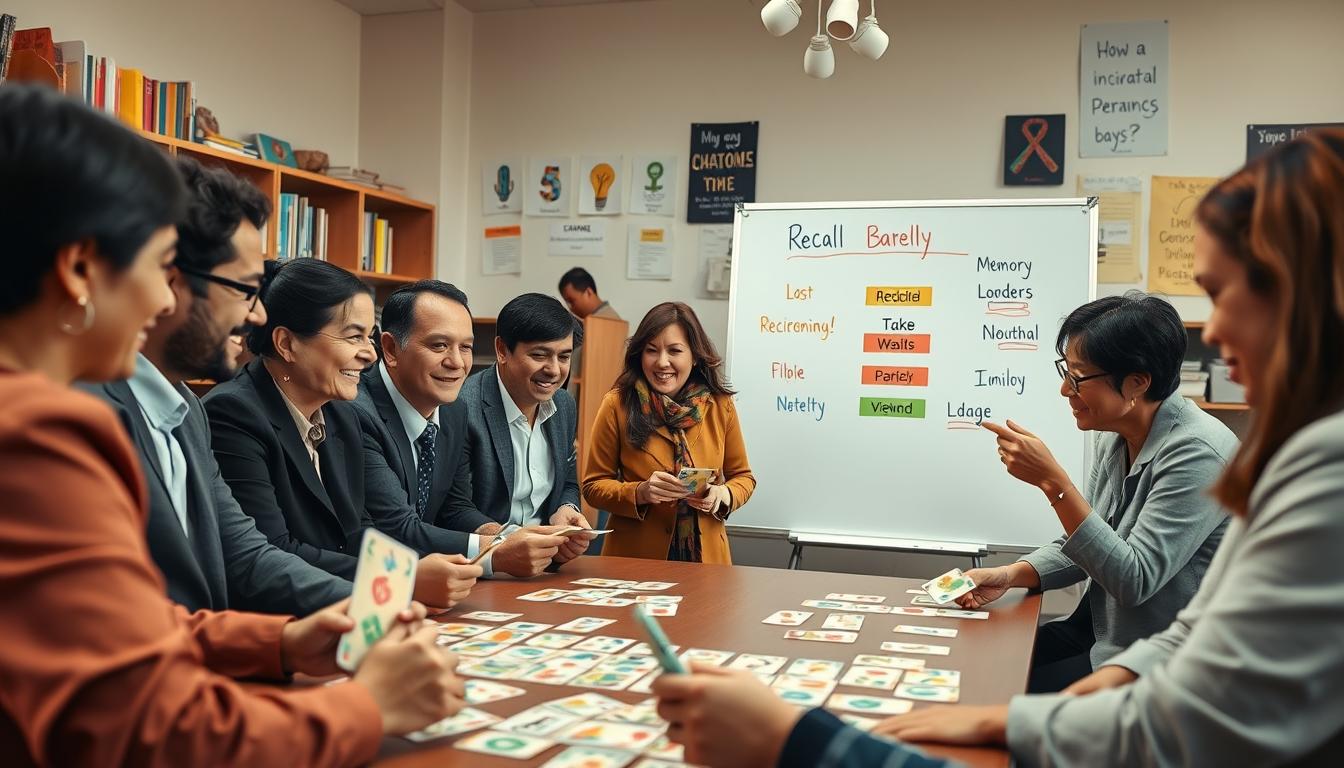
Low-pressure board nights mix logic, fine motor work, and friendly competition. These sessions are a fun way to use strategy while staying connected with family or friends.
Writing and journaling
Five to ten minutes of journaling helps consolidate daily memories and strengthens language skills. A quick entry can stabilize mood and make later practice easier.
Creative writing or sketching is an easy, screen-free way to stimulate thought late in the day. Try a single page or a short prompt and stop when you feel tired.
Language learning and bite-sized practice
Use a language app for short lessons that build words and vocabulary. Tiny, repeated sessions boost cognitive flexibility and offer a productive break between tasks.
| Activity | Main Benefit | Duration | Best Fit |
|---|---|---|---|
| Book club | Discussion, memory recall | 30–45 min weekly | Small groups, social lift |
| Board game night | Strategy, motor skills | 20–60 min | Family or friends |
| Journaling / creative writing | Language, mood regulation | 5–10 min daily | Solo, low-energy days |
| Language app lessons | Vocabulary, cognitive flexibility | 5–15 min sessions | Between naps or commutes |
Rotate social and solo activities to keep things fresh. Share progress with trusted others to turn practice into meaningful parts of life rather than chores.
Tip: Choose the way that fits your energy that day—solo drills when quiet, short group play when you need a mood boost. These options exercise different skills than formal brain games and broaden the toolkit you can use on low-energy days.
Best educational concentration games for adults with irregular sleep cycles
Start your day with brief puzzle bursts to wake the mind and prime decision-making. Morning picks should be gentle, quick, and predictable so they don’t overwhelm a sleepy brain.
Morning-friendly brain games for groggy starts
Try a five-minute Sudoku or a short attention drill in MentalUP or Brainwell. These train logic and attention without heavy effort.
Light motion options like Wii-style bowling or tennis engage the body and the brain. A short physical session can beat morning fog fast.
Evening wind-down options that reduce stress and aid focus
Choose low-stimulation activities near bedtime: small jigsaw pieces, simple word searches, or a calming breathing app. These keep memory and focus active while easing the body down.
Avoid high-speed, intense play close to sleep. Swap stimulating modes for soft puzzles and guided breathing to help night recovery.
| Time of Day | Example Picks | Benefit | Duration |
|---|---|---|---|
| Morning | Sudoku, MentalUP attention drills, Wii motion play | Wake logic and attention; engage body | 3–10 min |
| Mid-day | Matching tasks, short strategy rounds | Quick reset; maintain routine | 2–7 min |
| Evening | Jigsaw, word search, mindfulness apps | Reduce stress; gentle focus | 5–15 min |
Make a rotating list on your phone or fridge so you can pick a play without decision fatigue. Build a small plan: two to three morning rounds, one mid-day reset, and one calming evening activity.
Build a flexible brain-game routine around an irregular sleep schedule
A short routine that adapts to your energy can turn tiny wins into steady skill gains. Design sessions that respect naps and late starts so practice helps, not harms.
Short, consistent sessions: 5–10 minutes, multiple times a day
Try two to four brief blocks daily. Aim for 5–10 minutes each. Use an after-meal slot to anchor the plan and reduce decision friction.
Apps like Brainwell offer three new games per day and tracking. Set reminders or a paper checklist to keep the habit simple.
Match game type to your energy level
Classify choices as high-focus (attention drills, complex puzzles) or low-intensity (word searches, simple matching). Pick a high-focus session when alert and a low one when your body feels tired.
“Consistency beats intensity — tiny wins compound into real improvements.”
| When | Example | Why | Duration |
|---|---|---|---|
| Morning (if alert) | Attention drills, Sudoku | Wake logic and speed | 5–10 min |
| After lunch | Matching, short strategy | Anchor routine; reset focus | 5–10 min |
| Evening (optional) | Jigsaw, word search, breathing | Calm focus; restorative | 5–15 min |
Alternate exercises—focus on attention one day, memory the next—while repeating favorites that reliably help. Log which sessions feel restorative versus draining and refine the plan over weeks.
Rest days are fine; this part of your care should support recovery. When mental fatigue is high, swap in social or motion options like Wii-style play to keep the habit alive without overtaxing focus.
Finally, hydrate, move lightly, and seek sunlight when possible to help the mind and body work together. Small, steady practice will keep brain performance up with minimal effort.
Evidence-backed benefits you can expect from regular brain play
Regular short practice nudges neural networks to work more efficiently, even on low-energy days. Research shows that brief, focused exercises can improve attention, memory, and problem-solving across ages.
Improved attention, memory, and problem-solving from consistent practice
Structured training studies report measurable gains. Glenn Smith (APA/Mayo) found eight weeks of computerized training in older adults raised memory and attention and helped daily tasks.
The National Institute on Aging noted that two weeks of certain casual video play improved recognition memory. These findings point to real neural change from repeated practice.
Added perks: reduced stress, creativity boosts, and quality-of-life gains
Puzzles and short exercises often lower stress and spark creative thinking. Those mood benefits make it easier to reframe tough days and maintain healthy routines.
“Crosswords done regularly are linked to about a 2.5-year delay in memory decline among people who develop dementia.”
Use tracking—note focus after sessions, recall at work, and mood—to see what helps most. Combine structured drills with relaxing puzzle time to balance performance and recovery.
| Evidence | Outcome | Practical tip |
|---|---|---|
| Eight-week computerized training (Glenn Smith) | Improved memory & attention | 5–10 min daily targeted drills |
| NIA casual play study | Better recognition memory | Short, focused play sessions |
| Regular crosswords | Delayed memory decline | Keep a weekly puzzle habit |
These exercises help keep brain function more resilient but do not prevent or cure neurological disease. If memory problems interfere with daily life, seek medical advice promptly.
Conclusion
A compact toolkit of brief brain activities helps steady thinking on low-energy days. Pick one or two of the best brain games—an app like MentalUP or Brainwell and a classic puzzle—and use them in short daily blocks matched to your current energy.
Mix attention drills, matching tasks, word puzzles, light strategy, and simple card matching to cover memory and processing. Track what helps and adjust when problems or fatigue appear.
Share some sessions with family to stay motivated, but keep solo options for quiet moments. As a starter plan, choose one app, one puzzle, and one evening wind-down and schedule them this week. Consistency and observation are a great way improve function while you address broader routines.