Games
Adult brain games, Adult cognitive skills, Brain Training for Adults, Cognitive enhancement activities, Cognitive Training Games, Mental processing exercises, Neurological response games, Reaction Time Improvement, Response accuracy improvement, Slow processing speed
Agatha Christie
0 Comentários
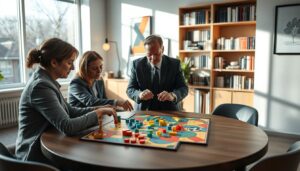
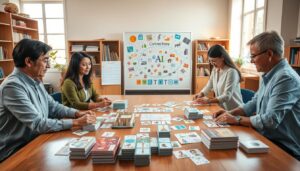
Cognitive reaction games designed for adults with slow processing speed to improve response accuracy

Neuroplasticity shows the brain rewires with focused practice. Simple, timed drills can strengthen attention, memory, and decision circuits so people perform better under pressure.
Apps like Lumosity, Elevate, and Peak and quick video titles such as Tetris Blitz or Super Mario Run give short bursts that train hand-eye coordination and quick thinking. Screen-free puzzles—crosswords, Sudoku, and timed card matches—offer another way to build accuracy.
This guide frames an accuracy-first plan: start at a comfortable pace, track precision, then add speed in small steps. Micro-workouts of a few minutes daily, paired with sleep, light exercise, and social play, amplify results.
Below you’ll find research-backed methods and practical choices to help adults boost real-life skills—safer driving, clearer conversation, and steadier work responses—by training the brain to act both fast and true.
Processing speed and response accuracy: why they matter for adults right now
Processing speed shapes how quickly the brain turns sights and sounds into meaningful action. It underpins reading, following conversations, and handling several tasks at once.

What “processing speed” means and how neuroplasticity helps
Processing speed is how fast the brain takes in information, interprets it, and produces a response. Neuroplasticity lets adults rewire circuits through repeated, focused practice.
Training should emphasize correct answers first. Stabilize accuracy, then shorten time windows to avoid reinforcing errors.
Real-life payoffs: driving, conversation, work performance, and everyday decision-making
Better processing speed and response accuracy lead to fewer missed cues in talks and smoother multitasking at work. Small gains can improve split-second judgment while driving and cut errors during busy times.
- Attention filters what matters so working memory holds the key details.
- Targeted practice reduces delays people notice in meetings or crowded places.
- Even modest improvements lower stress and mistake rates in time-sensitive tasks.
Watch where slowdowns occur—reading, listening, or multitasking—and pick drills that match those skill gaps. Consistent, bite-sized practice taps neuroplasticity; adults can still get measurable gains.
Cognitive reaction games for adults with slow processing speed
Try short, targeted drills that combine apps, puzzles, and quick party matches to sharpen accurate responses under time pressure.

App-based brain training
Pick adaptive apps like Lumosity, Elevate, Peak, or Happy Neuron. They track accuracy and tailor difficulty. Short daily sessions (10–15 minutes) target attention, memory, and processing.
Reflex and cue training
Try titles such as Quick Reflex or Brainwell to practice visual and auditory cue response. These drills improve stimulus detection and selection under simple rules.
Word, number, and sorting puzzles
Rotate Sudoku, crosswords, and Wordle to boost working memory, logic, and verbal retrieval. Add Sort It 3D or Brain Dots to train fast grouping and visual-spatial categorization.
Card, party, and video options
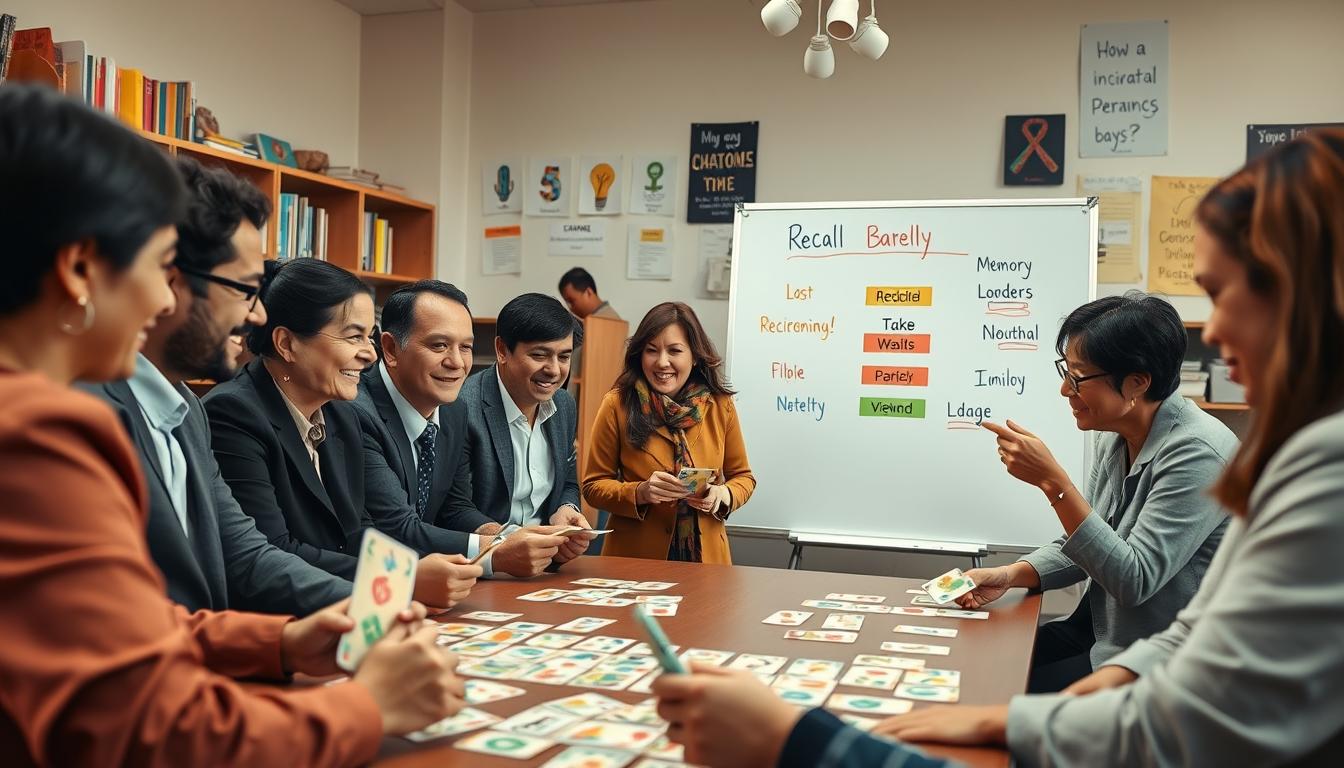
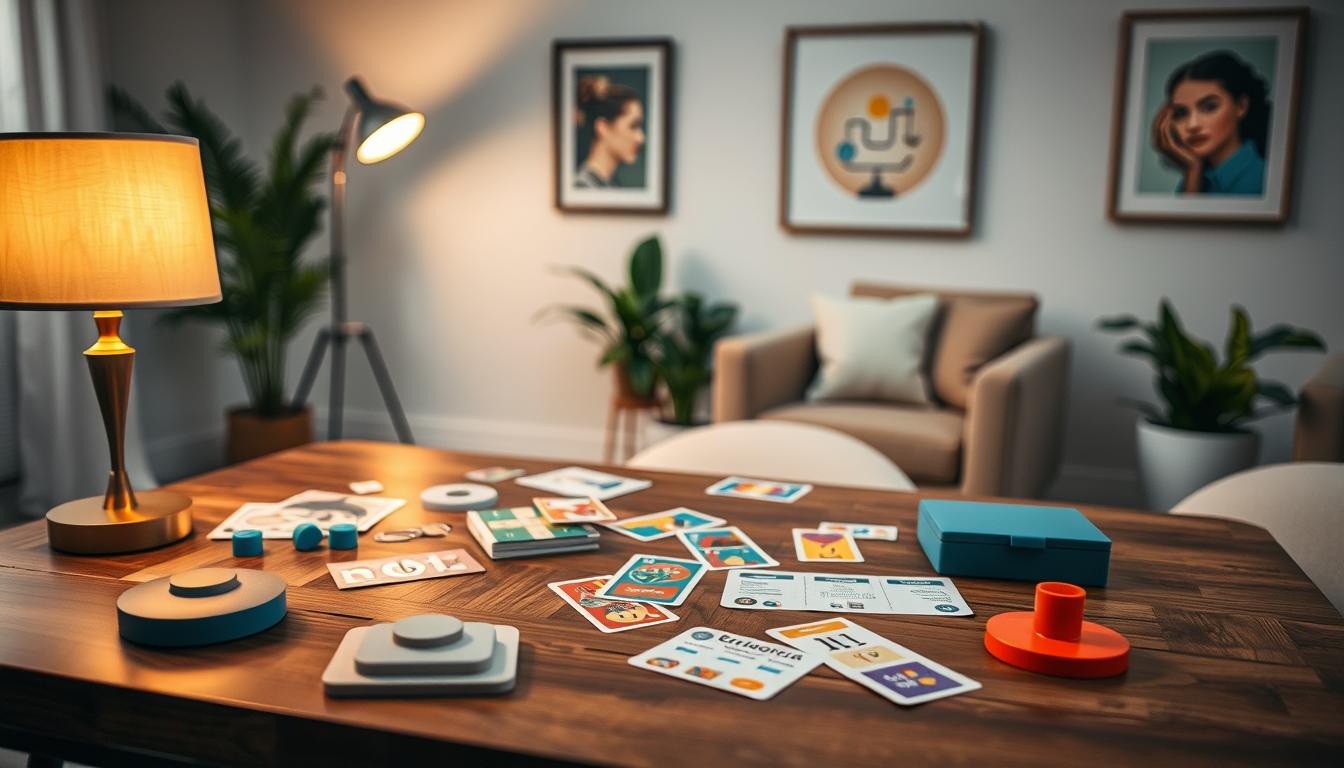
Fast card rounds like Spot It!, Blink, Anomia, Bananagrams, or Sushi Go! train quick scanning and flexible matching in social play.
Moderate play of Tetris Blitz, Super Mario Run, or Temple Run helps hand-eye coordination and quicker decisions when accuracy stays the focus.
Movement plus mental drills
Combine simple movement with thinking: toss a ball while naming categories, balance during quick math, or run 60-second item-finds. These boost alertness and transfer to daily tasks.
| Tool | Main benefit | Session tip |
|---|---|---|
| Lumosity / Elevate / Peak | Tracking, adaptive difficulty | 10–15 min/day; note accuracy |
| Quick Reflex / Brainwell | Visual & auditory cue speed | Start slow; raise pace after steady accuracy |
| Sudoku / Wordle / Crosswords | Logic, verbal retrieval | Rotate types; focus on correct answers |
| Spot It!, Blink, Tetris Blitz | Rapid matching, hand-eye | Keep sessions social and brief |
How to use these games to improve response accuracy, not just speed
Use short, goal-focused sessions that lock accuracy before you try to speed up the clock. This way you train the correct process and avoid repeating errors. Small, steady gains beat rushed practice.
Start slow, then shorten time windows as accuracy stabilizes
Begin each new activity by setting a baseline accuracy target (for example, 90% correct). Only reduce the allowed time when you consistently meet that mark.
Track both accuracy and completion time so you know when precision plateaus. Shrink time in small steps (about 5–10%) to nudge faster, accurate responding.
Micro-sessions: 5–15 minute workouts with clear accuracy goals
Short sessions fit daily routines and produce reliable gains. A Lumosity example showed improvement with 15 minutes daily over three weeks.
- Use 5–15 minute blocks with a clear goal like “three rounds at 90% accuracy.”
- Alternate 2–3 minutes of play with 30–60 seconds rest to sustain attention.
- End with a quick note: what worked and what to change next time.
Pair drills with light physical activity to sharpen attention
Combine mental tasks and movement to raise arousal and transfer gains. Try tossing a ball while naming categories or a few jumping jacks between rounds.
Daily 60-second challenges speed up goal-directed thinking and make training engaging.
| Approach | Main benefit | Session tip |
|---|---|---|
| Baseline then shorten time | Preserves accuracy while increasing pace | Only reduce time after consistent correct runs |
| Micro 5–15 minute workout | Fits daily routines; builds habits | Use clear goals and spaced rest intervals |
| Movement + mental drills | Boosts alertness and transfer to real tasks | Keep activity light and brief between rounds |
What the research and expert guidance suggest
Evidence now suggests short, consistent practice sessions may strengthen attention, memory, and response time over weeks.
Multiple research reports link structured brain training to gains in attention, memory, and reaction speed when people practice steadily. One study of Lumosity users found 15 minutes a day for three weeks improved attention and motor speed.
Experts stress that these gains are larger when training pairs with basic health habits. Regular exercise, enough sleep, mindfulness, social activity, and continued learning all support brain change.
Potential benefits
- Improved attention and quicker response times that help in timed tasks.
- Stronger memory and logic skills useful for reading, math, and everyday decisions.
- Better transfer to daily life when practice mimics real demands and distractions.
Set realistic expectations
Apps like Lumosity, Elevate, Peak, and Happy Neuron track progress and help personalize practice. Short micro-sessions (about 15 minutes) work best when repeated over weeks.
Treat game-based training as one piece of a broader plan. Combine targeted practice, progressive challenge, and healthy habits to lock in gains and grow practical skills.
Simple plans adults can follow today in the United States
Start small and stick to a set weekly routine. Below are two easy templates you can use this week. Each plan balances short app workouts and timed puzzles with social play and light physical activity.
Two easy weekly routines: app + puzzle days, social/physical game days
Plan A — App + Puzzle Days: three days a week do a 10–15 minute app workout (Lumosity, Elevate, Peak, or Happy Neuron). Follow it with a 5-minute timed puzzle such as Wordle, Sudoku, or the AARP daily crossword.
Plan B — Social/Physical Game Days: two days a week play 15–20 minutes of fast card or party play like Spot It!, Blink, Anomia, Bananagrams, or Sushi Go!. Keep it social and fun to sustain practice.
- Add two brief brain-body blocks each week: 10 minutes walking or light cycling while doing alphabet categories or quick mental math.
- Pick one ability to prioritize each session (accurate visual matching or correct word retrieval) and set a clear accuracy target first.
- Use a timer to keep time boxes tight; end when focus fades to preserve quality.
- Rotate apps and play types across the week to train attention, memory, logic, and verbal skills.
- If pressed for time, do a single 5-minute micro-session with a defined accuracy goal; consistency beats long, irregular workouts.
- Track progress in a simple weekly log: game, target, achieved accuracy, and brief notes so you can adjust difficulty next week.
Conclusion
When training blends brief app drills, timed puzzles, and light movement, gains in attention and memory add up.
Use a mixed plan so the brain faces varied challenges: app exercises, short card rounds, selective video play, and simple body drills. Start by locking accuracy, then tighten time windows to raise true speed without reinforcing errors.
Pair practice with good sleep, light physical activity, social time, and mindfulness to amplify results. Keep a simple weekly log—what you did, target accuracy, and adjustments—so progress stays steady.
One short, well‑executed micro‑session each day can build lasting skills, keep training fun, and fit into real life.
FAQ
What is processing speed and why does it matter for adults now?
Processing speed refers to how quickly the brain takes in information, makes sense of it, and responds. Faster processing improves everyday tasks like driving, following conversations, performing at work, and making decisions. Neuroplasticity means adults can still improve these skills through targeted practice, lifestyle changes, and consistent training.
Can training tools like Lumosity, Elevate, Peak, or Happy Neuron really help?
Yes. App-based training can strengthen attention, short-term memory, and reaction timing when used regularly. Look for programs that track accuracy and adapt difficulty. Combine apps with real-world activities for best results; apps alone are most effective as part of a broader routine that includes sleep, exercise, and healthy nutrition.
Which games work best to improve both accuracy and speed?
Choose exercises that balance tempo and correctness. Word and number puzzles like Sudoku, Wordle, and crosswords train focused thinking. Fast card games such as Spot It! and Blink build quick recognition. Action titles like Tetris Blitz and Temple Run sharpen visual processing. Prioritize practice that rewards correct responses, not just fast ones.
How should I structure practice sessions to avoid frustration?
Use short micro-sessions of 5–15 minutes with a clear accuracy goal. Start at a comfortable pace, then gradually reduce time limits as accuracy stabilizes. Track progress weekly and mix in social or physical game days to keep motivation high and reduce burnout.
Are physical activities helpful for brain speed and accuracy?
Yes. Light aerobic exercise, coordination drills, or movement-based games improve attention and processing by boosting blood flow and neurotransmitter balance. Pair brief walks, balance drills, or simple dance steps with quick mental tasks to reinforce brain-body connections.
How long before I see improvements?
Many people notice small gains in attention or response time within 4–8 weeks of consistent practice. More durable changes typically require months and a mix of training, sleep, stress management, and regular physical activity. Set realistic expectations and celebrate steady progress.
Can social card and party games help better than solo apps?
Social games add pressure, unpredictability, and multitasking demands that can transfer to real life. Games like Anomia, Bananagrams, and Sushi Go! train rapid recall and decision-making under time constraints. Use both social and solo options to target different skills.
Is there research backing these methods?
Research shows targeted practice improves attention, working memory, and aspects of processing speed, especially when combined with healthy habits. Results vary by individual and depend on consistency, task relevance, and overall lifestyle factors like sleep and exercise.
How do I avoid overtraining or making speed worse than accuracy?
Emphasize accuracy first. If error rates rise, slow down or increase decision time until errors drop. Use adaptive drills that increase pace only after you reach a preset accuracy threshold. Rest days and varied activities prevent fatigue-related declines.
What simple weekly plan can I start today?
Try two short app sessions (10 minutes each) on weekdays focused on accuracy, a puzzle session (crossword or Sudoku) midweek, and a social or physical game session on the weekend. Add two 20–30 minute walks and aim for consistent sleep to support gains.