Cognitive detox games for adults affected by prolonged digital exposure

Can a five-minute play break reset your focus and calm your inner chatter?
Short, structured play offers a practical, research-informed path to ease stress and anxiety linked to long hours on screens. These brief activities fit into lunch breaks, wellness days, or quick pauses at work.
You will find low-friction options that redirect attention to simple, predictable tasks. Mobile picks can interrupt anxious loops in minutes. Offline choices provide a deeper reset when you have more time.
Teams that add tiny play rituals report better engagement, fewer sick days, and stronger retention. These ideas complement overall mental health and health routines—they are not a substitute for medical care when needed.
Think of this section as an actionable toolkit that respects limited time and energy while helping steady the mind today.
Why a digital detox for the mind matters right now
Constant connectivity reshapes how our brains handle attention, increasing stress and fragmenting focus during the day.
Relentless screen exposure elevates stress and can raise anxiety, taxing attention systems and lowering productivity today. It also disrupts sleep and saps mood when unattended notifications pile up.
Brief, low-effort strategies are often the most sustainable way to regain balance. Small, predictable activities give people an easy entry point to steady focus without extra pressure.

The present-day overload: screens, stress, and the brain
Frequent interruptions push the brain into threat-mode and make calm processing harder. Even short pauses help shift neural patterns toward steadier attention and better sleep.
How games create calm, connection, and cognitive reset at work and home
Structured play tasks and guided meditation moments create bounded environments that block intrusive thoughts and notifications. Mindfulness breaks, quick puzzles, or two- to five-minute meditation sessions act as effective micro-interventions during the day.
When organizations add scheduled breaks and simple wellness activity options, relationships at work improve and resilience grows. No expert skills are needed—just intentional time to reset the brain and refocus attention.
How we chose these mental detox games for adults overwhelmed by digital overload
We picked activities that shift attention with tiny, reliable wins to restore calm fast.
Selection relied on research-backed mechanisms: tasks that move the brain away from threat detection, offer clear goals, and invite a gentle flow state. Simple, repetitive tasks reduce anxious looping and help the brain re-center.
Evidence-backed mechanisms: focus shifting, predictable goals, and flow state
Focus shifting means short tasks that require mild cognitive effort and interrupt rumination. Predictable goals—small, achievable steps—support self-efficacy and steady attention.
Flow emerges when challenges match ability. We favored activities that avoid timers, competition, or loud feedback that could spike stress.
Accessibility criteria: low friction, short sessions, minimal pressure
Practical accessibility wins: one-tap starts, two-to-five-minute sessions, and intuitive layouts. These reduce setup and make the practice repeatable across work and home routines.
- One-tap or physical starter (dice, cards)
- Short sessions with optional pause points
- Noncompetitive design and soothing visuals or tactile cues

| Criteria | Why it matters | Example format |
|---|---|---|
| Focus shift | Interrupts threat-mode and lowers anxiety | Sorting puzzles, simple journaling prompts |
| Predictable goals | Builds confidence and quick wins | One-minute sorting rounds, single prompt entries |
| Accessibility | Increases adherence across schedules | One-tap apps, physical cards, short offline tasks |
Quick-calming mobile games that significantly reduce morning anxiety
A compact, goal‑based play break can turn morning tension into steady focus.
Simple mobile activities redirect attention away from anxious thoughts and toward small wins. Sorting titles like Color Sort or I Love Hue create visible order from chaos. That sense of control often restores clarity in ten minutes or less.
Sorting and organizational games: restore control and mental clarity
Sorting tasks break a noisy cycle by giving clear, repeatable goals. They help the brain pause threat responses and rebuild calm.
Gentle puzzle and merge games: flow without pressure
Merge and low-stim puzzles — Merge Town, Monument Valley, Two Dots — keep focus light and steady. They sustain attention without timers or leaderboards, reducing stress while supporting mood and focus.
Rhythmic tapping games: synchronize breathing and mood
Tap-based apps like Piano Tiles help align tapping cadence with breathing. Slow, steady taps can lower arousal and stabilize heart rate.
Comfort-play pick: Good Pizza, Great Pizza for soothing routine
Good Pizza, Great Pizza blends repetitive tasks and mild creativity. It feels familiar, predictable, and calming—use it as a short comfort ritual.
- Quick-start protocol: place chosen app on the home screen and open with one tap.
- Play 2–5 minutes, then pause and take a deep breath.
- Avoid timers, leaderboards, or loud graphics early in the day.
- Use these brief activities to support mental health and health, not as prolonged avoidance.
Low-screen, offline detox games to reset your mind during the day
A few deliberate, screen-free minutes can lower arousal and steady thinking when you need a break.
Mindful breathing dice and quick focus prompts
Keep a six-sided breathing die at your desk with prompts like “2 min deep breathing,” “4-7-8,” or “box breathing.” Roll it and follow the cue. These tactile prompts make a short breathing practice feel simple and automatic.
“Pause, roll, breathe for two minutes.”
Gratitude and reflection card activities
Shuffle a small deck of reflection cards that ask one quick prompt: “Name one small win” or “Share one thing you’re grateful for.” Use it solo or with a coworker to build emotional well-being and stronger relationships.
Creative mini-activities: sketch, color, and declutter thoughts
Try a two-minute sketch, fill a tiny mandala, or brain-dump a page to clear clutter. Pair these activities with diaphragmatic breathing or the 4-7-8 technique to shift mood and lower stress.
- Keep each activity to 2–5 minutes so it fits your day.
- Stand, stretch shoulders, or take a short walk to pair movement with the break.
- Store index cards, a pen, mini coloring pages, and a breathing die in a small desk kit for easy use.
Regularly practicing these short, offline activities builds resilience and supports broader health and mental health routines without needing a screen.
Team-friendly mental health activities for the workplace
Quick, low-pressure group activities help teams trade tension for clarity and connection.
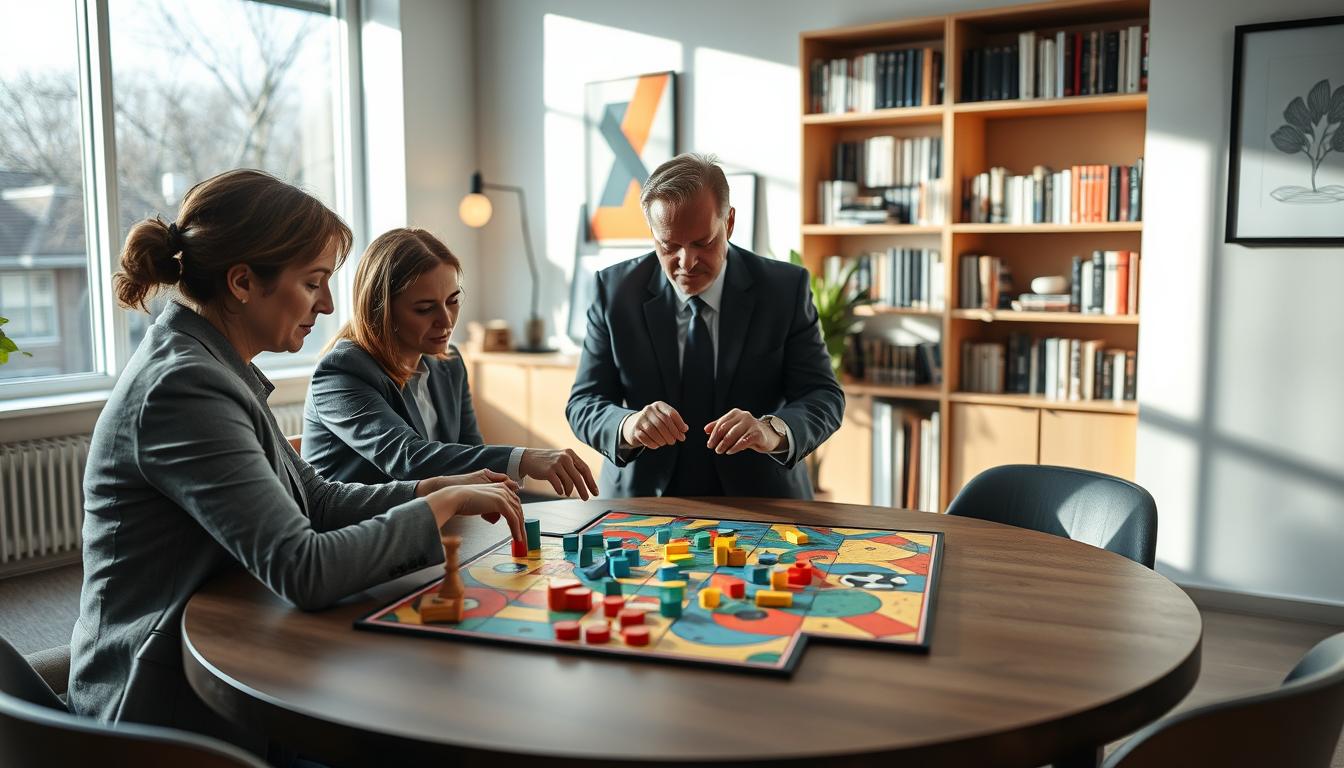
Start small: set up a rotating brain‑teaser corner with cooperative board titles. These offer short cognitive breaks that build relationships and ease the load between focused work sessions.
Pair brief movement with laughter or calm: schedule 5–10 minute laughter sessions, mindful walks, or desk yoga breaks during lunch and wellness days. They lift energy and support productivity without heavy scheduling.
Designed challenges and protected time
Adopt recurring digital challenges and no‑meeting hours to guard deep work. Designate quiet rooms and themed relaxation corners to give people a safe environment to decompress and reflect.
“Small, shared rituals increase resilience and make work feel more humane.”
Practical rollout and measurement
Use opt‑in activities with light incentives and simple facilitation guides so managers can offer support without acting as clinicians.
| Activity | Benefit | Time |
|---|---|---|
| Brain‑teaser corner | Improves problem solving and team bonds | 5–10 min |
| Mindful walk / desk yoga | Boosts energy and protects productivity | 5–15 min |
| No‑meeting hours | Reduces screen fatigue and deepens focus | 2–4 hours weekly |
Track participation and feedback to refine activities and align them with organizational health priorities. Small, repeatable practices build stronger relationships and long-term resilience across the work environment.
Build a personalized detox routine: timing, duration, and progression
A simple sequence of tiny pauses can reduce stress and keep your attention steady across the day.
Set a clear cadence: two‑to‑five minute micro-breaks in the morning, midday, and evening. These short pauses lower cumulative stress and sustain productivity when used consistently.
Use time-boxing so breaks stay refreshing rather than turning into avoidance. Set a timer, define a single goal for the break, and stop when it ends.
Two-to-five minute micro-breaks: morning, midday, and evening
Morning: try a quick sorting task to start the day with small wins.
Midday: pull a gratitude card or a breathing prompt after lunch to reset energy.
Evening: choose a gentle puzzle and avoid bright screens to help sleep.
Time-boxing and transition habits to protect productivity and sleep
Pair each break with a cue—stand, sip water, or stretch—to ease context switching. Track your feelings before and after each break to refine what fits your needs.
“Consistent practice turns coping strategies into automatic, low-effort resets.”
| Cadence | Example | Benefit |
|---|---|---|
| Morning (2-5 min) | Sorting app or light task | Clear goals, boosts productivity |
| Midday (2-5 min) | Gratitude card or breathing | Reduces anxiety and restores focus |
| Evening (2-5 min) | Gentle puzzle, no screens | Supports wind-down and better sleep |
Environment upgrades that boost focus and mental well-being
Small changes to your surroundings can cut cognitive clutter and make focus easier to reach.
Add desk plants and touches of greenery to reduce stress and improve air quality. A bit of biophilic design supports sustained focus at work and raises the overall quality of the space.
Desk plants, quiet corners, and stress-relief soundscapes
Create quiet corners with soft lighting and comfortable seating so people can step away for brief restorative time. Pair these spots with a shared playlist of stress-relief soundscapes to signal a micro-break or a deep-focus session.
Declutter tactics that lower cognitive load
Start small: plan zones, sort essentials, assign simple storage, and maintain weekly. Visual organization—trays, cord wraps, and labeled bins—cuts visual noise and supports clarity.
- Encourage screen hygiene: reduce notifications and keep only essential tabs open.
- Use gentle cues like a “focus hour” indicator to limit interruptions and protect time.
- Run periodic mini challenges (10-minute tidy) to keep spaces functional without adding burden.
“Clear space often leads to clearer thinking and better productivity.”
Nature, movement, and sleep: anchoring your detox beyond screens
Step outside for short, intentional breaks: nature and simple movement restore focus and lower stress.
Aim for 15–30 minutes of sunlight daily when possible. Time in green spaces lowers stress hormones and improves cognition. Even short, regular exposure can significantly reduce physiological arousal and lift mood.
Mindfulness walks and sunlight exposure for resilience
Try a mindful walk mid-afternoon with a goal of gentle sunlight and fresh air. Notice breath, posture, and surroundings for 5–20 minutes.
“A brief outdoor pause can change your body’s chemistry and sharpen attention.”
Exercise snacks and sleep hygiene for sustained mental clarity
Use quick “exercise snacks” — a brisk 5-minute walk or light mobility set — to boost endorphins without taking much time. These small moves support neurogenesis and better mood.
Protect sleep with a consistent bedtime, a cool dark room, and a calming pre-bed ritual. Strong sleep routines improve sleep quality and daytime focus.
- Pair an afternoon outdoor break with a gentle evening wind‑down to avoid blue-light stimulation before bed.
- Log a simple day checklist: nature, movement, wind‑down to reinforce good habits.
- Remember: brief, steady choices add up to real health and mental health benefits.
Helpful apps and supports to sustain your digital detox
Pairing simple tools with real people makes brief resets more effective over time.
Meditation and stress-reduction apps to pair with short play
Use one clear app to guide breathing before or after a short break. Headspace, Calm, Sanvello, and Insight Timer offer short meditation tracks and breathing prompts that pair well with quick play sessions.
Peer support, coaching, and workplace wellness programs
Leverage Employee Assistance Programs for confidential care and coaching when stress persists. Peer groups and wellness communities reduce isolation and boost accountability, especially for remote people.
- Schedule app-based micro-practices into small time slots so habits stay light and repeatable.
- Choose one primary app to avoid overload and keep each activity purposeful.
- Prefer organizational programs that offer flexible, personalized pathways to better health and mental health.
- Track mood and energy in apps to see which combos work best.
“Virtual options expand reach and support emotional well-being across locations.”
Safety, boundaries, and when to seek professional support
A focused two-to-five minute pause can stop rumination and restore simple clarity. Use brief play as an immediate coping tool, then return to the day’s tasks. Set a clear goal and honor a firm end time so the practice stays restorative, not avoidant.
Using short activities as coping, not avoidance
Treat each session like a tiny ritual: name the goal (example: “play 3 minutes, then stretch”), set a timer, and follow through. This keeps breaks useful and prevents them from expanding into hours that disrupt work or sleep.
Warning signs and when to get clinical help
Notice if anxiety rises despite repeated strategies, if medication effects are troubling, or if daily functioning worsens. These are signs to seek clinician input rather than relying only on short resets.
“If symptoms persist, escalate from self-help to peer support, then to a clinician.”
- Keep after-hours device limits: replace late scrolling with calming breathing or reading.
- Document triggers, duration, and what relieves symptoms to inform clinical conversations.
- Follow a simple path: self-help → peer/coach support → clinician consult when needs exceed brief tools.
Asking for professional support is proactive care. Before returning to tasks, use a one-minute breathing reset to consolidate calm and protect the benefit of your micro-intervention.
Conclusion
Tiny, regular breaks—two to five minutes each—can shift your day from frazzled to steady.
Short, structured play and simple low-screen activities refresh mental well-being and boost mental clarity without major time costs. Pick one idea and try it today; a single mini-session can change your mood and focus.
Make the practice dependable: set a 2–5 minute window, choose one activity, and stop when the timer ends. Over time this routine supports productivity, sleep quality, and resilience.
Layer supports as needed—an app, a peer group, or an EAP—to help when challenges grow. Seeking care when anxiety persists is a strong, practical step toward lasting health and better mental health for people juggling busy lives.