Brain games optimized for adults working in noisy environments to improve mental filtering

Can a quick activity at lunch cut through office chatter and actually boost your focus?
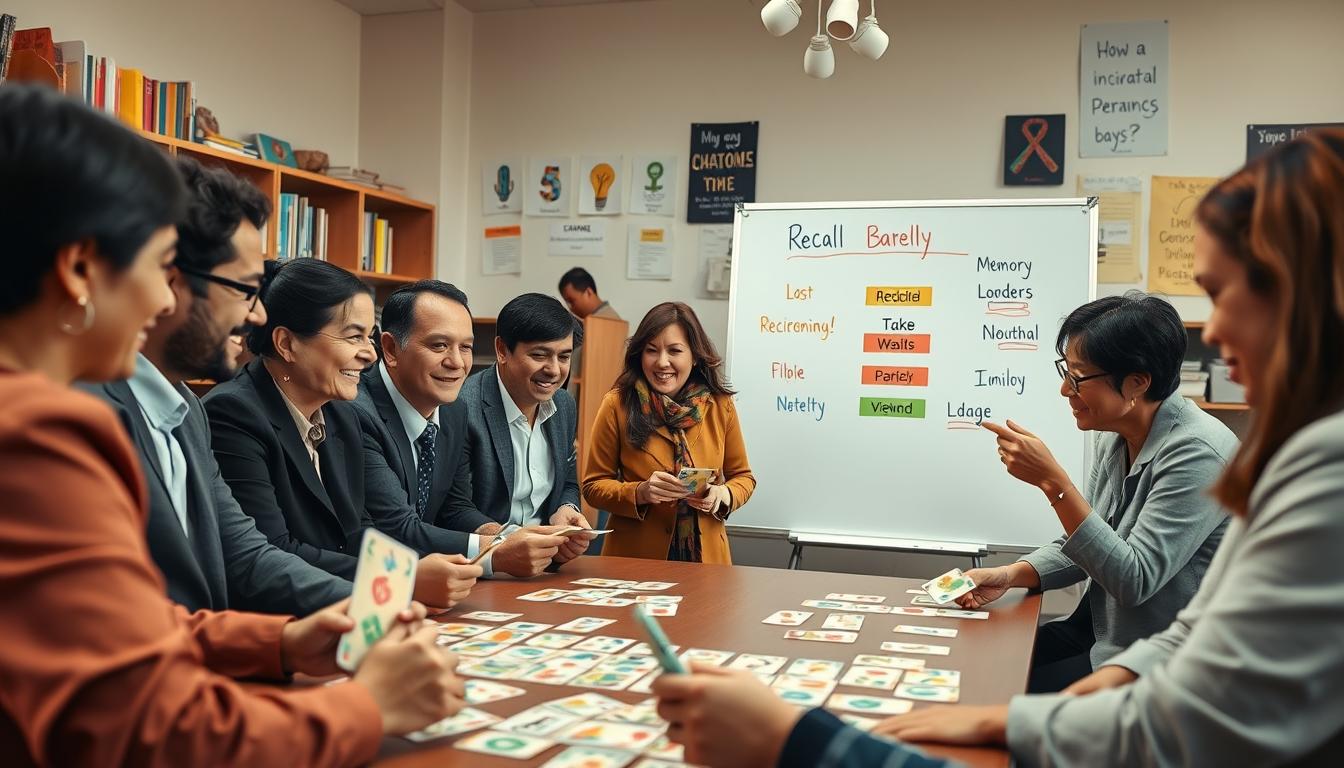
This guide lists actionable activities and tools designed for adults in collaborative workplaces. You will find short routines and repeatable games that strengthen selective attention and help mental filtering so people can sustain regulation and performance under pressure.
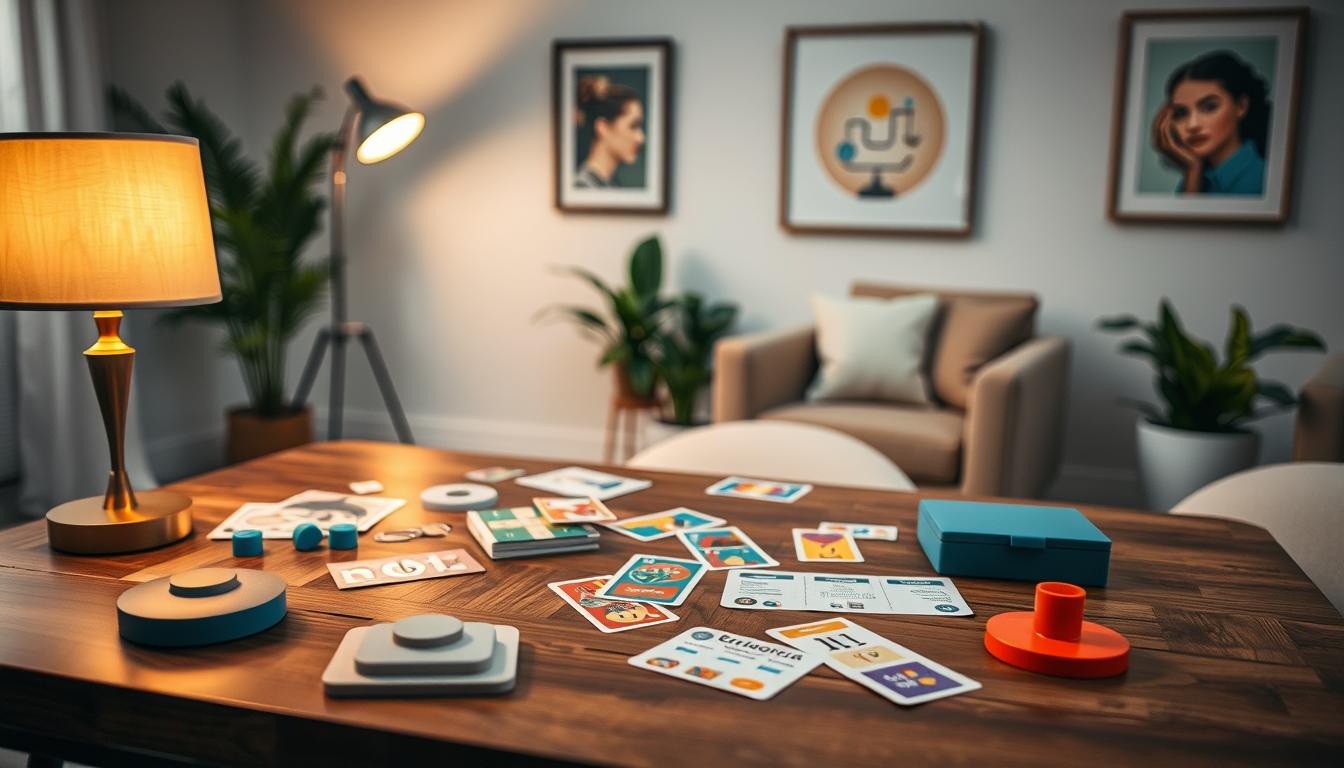
Mental filtering means prioritizing relevant input and blocking distractions in open-plan settings. Practical items like focus dice, guided mindfulness apps, stress balls, quiet spaces, and nature sounds help tune sensory input and improve task flow.
Expect easy tests, tips to track outcomes, and a layered toolkit across sound, light, touch, scent, and visual organization. These steps support better task accuracy, calmer mood, and measurable attention gains.
Readers who try a small set of options consistently can fold them into breaks and meetings, and align these actions with broader workplace mental health awareness and support.
Why mental filtering matters in noisy workplaces
A busy office can flood attention with competing sounds and lights, making focused work harder than it needs to be. Strong filters let people prioritize relevant input and keep errors and frustration down.
From sensory overload to regulation: the case for filtering
Sensory overload is an acute spike when many stimuli arrive at once. It causes immediate distraction and higher error rates.
Regulation is the ongoing ability to filter, recover, and stay focused. Training this capacity helps reduce daily stress and improves mental health over time.
How environmental input impacts focus, stress, and productivity
Common inputs — open-office chatter, HVAC hum, and lighting glare — increase cognitive load. Research links auditory over-responsiveness to higher cortisol and more task errors, so unmanaged sound harms performance.
Simple adjustments like steady soundscapes, low-glare lighting, and visual order can lower overload risk. Noticing personal triggers helps adults pick the right tools and routines.
| Input source | Typical effect | Quick mitigation |
|---|---|---|
| Open-office chatter | Attention drift; task-switching | Masking soundscapes; headphones |
| HVAC noise | Fatigue; irritation | Consistent low-level sounds; earplugs |
| Lighting glare | Eye strain; reduced focus | Bias lighting; low-glare bulbs |
| Lack of body cues | Emotional dysregulation | Movement breaks; deep pressure supports |
“Auditory over‑responsiveness is associated with increased cortisol and task errors, indicating that unmanaged sound can raise stress and impair performance.”

Small, repeatable routines strengthen selective attention. Over time, better filtering supports healthier work days, fewer mistakes, and improved mental health across teams. The next sections translate these ideas into short, practical activities you can try during breaks or meetings.
How to choose the right sensory-reduction brain games for adults in noisy workplaces
Pick a small set of actions that match your daily triggers and test them on short work cycles. This keeps selection simple and reduces decision fatigue while you gather real data about what helps your attention and mental health.
Use the “First Five” method to avoid overwhelm
Start small and keep it cheap. Choose five low-lift tools or activities and try them consistently for two weeks. A practical quick-start set is:
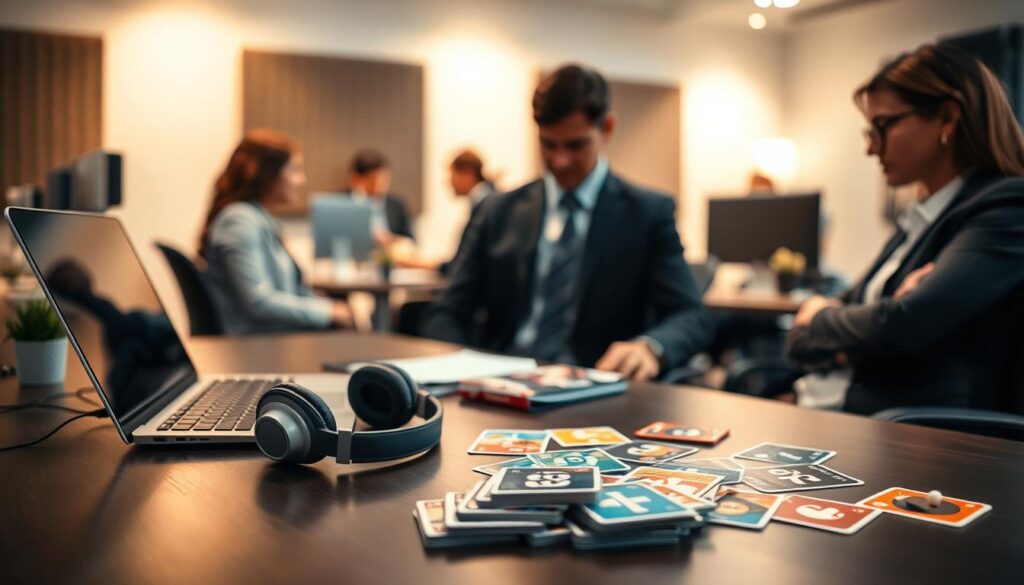
- Foam earplugs to cut low-level chatter
- Timer app for focused sprints
- Small fidget to channel restlessness
- Blue light glasses for screen comfort
- Desk organizer to lower visual clutter
Track energy, focus, and overload signals over time
Use a simple template to log morning energy, minutes to first distraction, end-of-day fatigue, and any dysregulation incidents. Run A/B sprints—soundscape vs earplug+headphone—and compare focus duration and perceived effort.
Match activities to meetings, collaborative blocks, or deep-focus periods. Keep only the strategies that improve your health markers and daily experiences. If you need changes at work, ask a manager or peer for support and use notes apps as lightweight resources.
Noise-focused brain games and tools that train selective attention
Use targeted soundscapes and short puzzles to practice staying on task amid unpredictable office sounds. These activities pair controlled audio with timed logic work to strengthen regulation and reduce stress.
Brown noise vs. nature sounds: build a personal soundscape
Run a 10-minute listening test while doing a quick logic puzzle. Alternate brown noise apps with a playlist of rain or stream clips.
Note which track extends focus and lowers perceived stress. Over time, assemble a personal library that fits your environment and hearing comfort.
White-noise masking puzzles
Use a noise machine app to set a steady masking level during timed tasks like Sudoku or logic grids. The consistency helps the mind filter random input.
Try 25-minute rounds and log interruptions, focus minutes, and post-task energy to compare results.
Headphone + earplug layering for deep sprints
Layer foam earplugs under over-ear headphones to reduce unpredictable spikes during calls or open-office hours. Test 25–50 minute sprints to track output and recovery.
“Focus dice” with auditory resets
Roll a dice between rounds to cue a short reset: 2 minutes of breathing, a 60-second silence clip, or a desk declutter. These prompts make transitions predictable and cut cognitive noise.
“Auditory over‑responsiveness correlates with higher cortisol and task errors, so structured soundscapes can support better regulation and health.”
| Method | Use case | Quick test |
|---|---|---|
| Brown noise | Mask steady background chatter | 10-minute puzzle under track A |
| Nature sounds | Reduce stress spikes; calmer masking | 10-minute puzzle under track B |
| Layered earplug+headphone | Deep focus sprints during calls | 25–50 minute sprint; log interruptions |
| Noise machine app | Controlled masking across shifts | Compare focus minutes across three conditions |
Practical tip: Pair audio masking with simple on-screen layouts and keep volumes safe. Encourage colleagues to trial these strategies and record which tools and activities best support mental health and steady performance.
Lighting and visual input: games that reduce glare and visual clutter
Adjusting light and reducing on-screen clutter creates a steadier visual field that supports better task control. Small changes to lamps, screen filters, and layout cut eye strain and make short activities more effective.
Screen-filter Sudoku: low-glare logic under warm LEDs
Run a 10–15 minute Sudoku round with a matte screen protector and a warm LED task lamp. The softer contrast keeps visual fatigue down and helps you stay on task.
Guided “visual calm” memory drill with matte screens
Show a set of low-saturation images for 10 seconds, hide them, then recall positions. This memory activity trains attention while controlling clutter and light.
Bias lighting plus low-stimulus matching tasks
Install bias lighting behind your monitor to reduce contrast and reflections. Use short matching exercises that present few items to avoid overload.
- Close unused tabs and hide the taskbar before each round.
- Prefer multiple warm sources over one harsh overhead light to keep regulation steady.
- Use f.lux or display color controls to lower blue light late in the day.
- Do a 20-20-20 reset after each session to protect eye health and sustain performance.
“Reducing glare and simplifying the view lowers visual overload and improves task switching and completion.”
| Activity | Light setup | Clutter control | Quick metric |
|---|---|---|---|
| Screen-filter Sudoku | Warm LED + matte protector | Hide tabs; full-screen mode | Focus minutes / 15-min round |
| Visual calm memory drill | Low-saturation display; bias light | Minimal desktop items | Items recalled / trial |
| Low-stimulus matching | Bias lighting behind monitor | Disable notifications | Accuracy % per 10 trials |
| Quick visual reset | Multiple warm sources | Organized desk; cable guides | Headache or eye-dryness notes |
Tactile and deep pressure supports that boost cognitive control
Touch-based tools give a steady signal the nervous system can use to calm and refocus. These supports are easy to test during short problem-solving rounds or sprints.
Stress balls and texture fidgets during problem-solving rounds
Use soft stress balls or textured fidgets while doing quick logic tasks. Squeezing or rubbing a quiet fidget channels excess arousal into the body and preserves task flow.
Weighted lap pads paired with working memory drills
Place a light weighted pad across the lap for 10–20 minute memory drills. The steady deep pressure tends to lower anxiety and can improve recall over repeated rounds.
Compression and proprioceptive “micro-breaks” between puzzles
Add two-minute compression breaks—self-hugs or light glove compression—between sets. Short wall push-ups or shoulder squeezes reset posture and help sustain regulation.
“Deep pressure input is associated with reduced anxiety and improved focus.”
| Support | When to use | Quick test | Notes |
|---|---|---|---|
| Stress balls / fidgets | During 10–15 min puzzles | Measure interruptions per round | Quiet silicone or fabric; wipe after use |
| Weighted lap pad | Working memory drills | Compare recall accuracy | 10–20 min; adjust weight to comfort |
| Compression breaks | Between focus sprints | Rate calmness after break | Use light pressure; avoid fatigue |
Air, scent, and comfort: sensory-aware games that stabilize arousal
Timed respiration exercises in a low-odor zone create predictable resets that lower stress and aid concentration. Use simple environmental steps to make breathing rounds reliable and repeatable during short work blocks.
Timed breathing with fragrance-free zones
Create a mini “air zone” by placing a small purifier or desk fan so the area stays neutral. Run 4-6-8 breathing sets for two minutes, then try a low-intensity puzzle to bind calm breathing with focus.
Short scent trials to find what helps
Test mild aromas for 30–60 seconds each in personal spaces. Stop any scent that raises anxiety or jaw tension. Prioritize fragrance-free policies near shared areas and advocate for localized solutions when needed.
| Intervention | When to use | Quick test |
|---|---|---|
| Desk purifier or fan | Before focus sprints | Run 2-min breathing; note calmness |
| Fragrance-free zone | Group meetings | Compare distraction minutes |
| Mild scent trial (small sample) | Personal space only | 30–60 sec sniff; rate stress |
| Hydration + airflow | During repeated blocks | Track energy and body signals |
Declutter the mind by decluttering the view: visual-organization brain games
Clearer sightlines speed thinking: tidy visual fields reduce overload and help you switch tasks faster.
Desk divider challenge: reduce peripheral motion during tasks
Set up a temporary panel and run two 25‑minute sprints: one with the divider, one without. Track focus minutes and error rates to see which setup cuts distraction.
Color-coding games to streamline working memory
Tag files and sticky notes with two or three colors. Practice rapid recall drills: glance, hide, then name item locations. This builds retrieval speed and task switching.
Digital cleanup races: screen hygiene for faster switching
Close tabs, archive old mail, and simplify your dock in timed rounds. Measure how quickly you can move between core apps after cleanup; repeat weekly to build habit and awareness.
- Pair organizer trays with projects to reduce search time.
- Use focus modes and window tiling to limit on-screen clutter.
- Photograph setups before and after to document experiences and support team conversations about workplace needs.
| Activity | Quick test | Metric |
|---|---|---|
| Divider | 25-min sprints | Focus min / errors |
| Color tags | Recall drills | Accuracy % |
| Digital race | 10-min cleanup | Switch time (s) |
Interoception and timing: body-based games that support regulation under pressure
Noticing inner signals and timing short resets helps steady attention when demands spike. Interoception is the body’s internal sensing system; timing-based activities train it to catch early overload and steer response.
Hydration and movement timers as cognitive resets
Set a hydration timer to cue small sips during 10-minute logic rounds. Track how steady intake affects focus and mental health.
Layer movement timers between rounds: 90-second micro-walks or gentle stretches release tension without breaking flow. These short moves support energy and task stamina.
Body scan intervals paired with short logic rounds
Do a two-minute body scan before puzzles to anchor attention. Compare performance metrics with and without the scan to see gains in regulation and reduced stress.
Note body cues—heart rate, breathing depth, muscle tightness—to build awareness and preempt sensory overload. Use simple templates like 8 minutes logic, 2 minutes scan, 90 seconds move and iterate to find the best rhythm.
Consistent timing embedded in calendars gives the body predictable resets, boosting regulation, work stamina, and long-term mental health.
Top brain training apps and tools for sensory filtering in the workplace
Well-chosen digital tools can make masking noise, timing sprints, and tracking stress simple. Use short practices and clear timers to build habits that protect focus and improve mental health.
Guided mindfulness and stress-reduction apps
Choose apps that offer short, workplace-friendly sessions. Popular options include guided breathing, two- to ten-minute meditations, and progressive muscle relaxation. These resources boost mental health and overall health when used daily.
Noise machine apps, nature sounds, and brown noise playlists
Use a noise app to create a personal masking layer. Try brown noise, rain, or curated nature playlists. Test each option for a week and note which reduces interruptions and lowers perceived stress.
Timers, visual meters, and focus systems
Visual timers and focus systems make sprints visible and protect against overwork. Pick apps that integrate with calendars and status indicators. Link a noise app, a timer, and a simple checklist to create a repeatable focus routine.
- Set recurring reminders for hydration and posture checks between rounds.
- Use sleep and wind-down features to support recovery and next-day attention.
- Track focus duration and stress ratings in app analytics or a quick journal to verify impact on mental health.
“Small, repeatable digital routines can reduce overload and help sustain work performance.”
Sensory-reduction brain games for adults in noisy workplaces
A portable kit and simple rituals make it easier to protect attention when the day is unpredictable. Use small, repeatable moves that travel with you and fit short work sprints.
Open-office picks: masking soundscapes + low-visual-load puzzles
Position desks away from street noise and set clear focus hours. Combine low-level masking tracks with quick number or symbol matching to reduce competing input.
Layer foam earplugs under over-ear headphones when needed. These setups cut spikes and help sustain attention while preserving mental health.
Hybrid schedules: portable earplugs, focus dice, and short-form games
Assemble a compact kit: earplugs, lightweight headphones, a small fidget, and a focus dice. Deploy short-form activities between meetings to regain traction fast.
Pick fastest-to-start options—breathing rounds, a two-minute declutter, or a five-minute logic drill—so you can match tools to changing needs.
Remote work: home “focus zone” games with light and sound control
Define a focus zone at home with adjustable light, a white-noise app, and a bias-lit monitor. Run 15-minute attention rounds followed by one-minute resets.
Keep a consistent pre-focus ritual—lights set, audio on, timer ready—so the body learns the cue to shift into work mode. Track experiences weekly and refine the kit to support mental health and work health needs.
| Setting | Quick setup | Test metric |
|---|---|---|
| Open office | Masking track + low-visual puzzle | Focus minutes / interruptions |
| Hybrid | Portable kit: earplugs + dice | Recovery time between meetings |
| Remote | Light control + white noise | Accuracy on 15-min rounds |
| All | Pre-focus ritual | Weekly reflections and comfort |
Micro brain games for tight schedules: five minutes, big benefit
Short, intentional resets can restore focus faster than long breaks. Use micro activities that fit five-minute gaps in your day to reduce stress and boost mental health. These quick moves are easy to stack and repeat between calls or before writing sprints.
Breath-counting challenges for rapid reset
Two-minute breath-counting: inhale for 3–4 counts, exhale for 5–6, and tally cycles. This paced breathing lowers stress quickly and primes attention for the next task.
Two-minute declutter sprint before logic tasks
Set a visible two-minute timer and clear desk items, close stray tabs, and mute notifications. A tidy workspace cuts sensory pull and improves accuracy on short logic rounds.
“Short, repeatable resets can stabilize attention and reduce cumulative overload across the day.”
| Micro routine | Duration | Quick metric |
|---|---|---|
| Breath-counting challenge | 2 minutes | Perceived calm (0–5) |
| Declutter sprint | 2 minutes | Tabs closed / items cleared |
| Grounding check | 1 minute | Energy level (low/med/high) |
- Stack a five-minute routine: 2 min breathing + 2 min declutter + 1 min plan, then start a 20-minute sprint.
- Use a visible timer and one small fidget or consistent audio clip as a reset cue.
- Track start/end times, calm rating, and any drop in distractions during the next block.
Practice these micro strategies daily to build awareness and steady mental health. Over time, small resets add up and support sustained work performance without needing long interruptions.
Implementation strategies in U.S. workplaces
Begin with a small pilot that ties short mental health activities to measurable work outcomes. Use lunch breaks, wellness days, and team meetings to introduce low-cost options and build awareness.
How to communicate sensory needs and propose adjustments
Offer a simple script employees can use to explain needs, list specific options, and link requests to productivity metrics. For example: “I find background noise reduces my focus; would a divider or a masking track during deep work help maintain output?”
Connect requests to resources like Employee Assistance Programs and manager training on mental health. HR can provide templates and coach managers to respond with concrete support.
Designating quiet spaces and nature-sound zones
Designate one or two quiet rooms and a nature-sound zone near break areas. Equip shared spaces with white-noise machines or calm playlists and post simple etiquette: volume control, scent-free reminders, and sanitizing shared tools.
| Role | Responsibility | Quick metric |
|---|---|---|
| Facilities | Adjust room settings, install fans | Availability hrs/week |
| HR | Coordinate resources, pilot | Pilot adoption % |
| Managers | Support scheduling flexibility | Focus time gains |
| Individuals | Track results, request changes | Self-reported stress |
Start small, measure quarterly, and scale what works. Include inclusive language in policies and brief training on scent, volume, and visual clutter etiquette so these strategies benefit all staff while protecting health and safety.
Evidence-based benefits: regulation, stress reduction, and better work outcomes
Structured sensory practices change how systems handle input, producing steadier focus and lower stress. Research shows auditory over‑responsiveness raises cortisol and task errors, so stabilizing sound reduces sensory overload and performance dips.
Light and visual organization protect task switching. Controlling glare and simplifying visual fields improves completion rates and reduces overload during complex tasks.
Deep pressure and interoceptive routines calm the body and aid regulation. Brief weighted supports and short body-scan pauses lower anxiety and support steadier decision-making under time pressure.
- Targeted sound management lowers interruption-related errors and steadies arousal.
- Lighting and declutter reduce visual overload and speed task transitions.
- Body-based supports improve recovery and reduce reactivity to distractions.
These gains map directly to workplace outcomes: fewer mistakes, more consistent output, and smoother collaboration from predictable focus windows. Better evening routines—light hygiene and mindful audio—also help sleep and next-day mental health.
“Employee experiences typically show calmer baseline, less reactivity, and faster recovery from interruptions with regular practice.”
Tip: Treat sensory supports as scalable systems-level interventions. Regular audits and staff awareness keep programs relevant and aligned with broader health and mental health goals.
Conclusion
Commitment to tiny, repeatable actions often yields the biggest gains in selective attention and mental health for adults at work.
Choose a few strategies and resources across sound, light, touch, air, visual organization, and interoception. Test them at set times, track outcomes, and keep items that clearly reduce distracting input.
Apply the First Five and try a four-week plan: pick two activities, use them twice daily, and log what changes in focus and health. Combine a nature sounds or noise machine app with simple visual and tactile supports to stabilize stimulation and extend focus windows.
Personalize as you go. When organizations add quiet spaces and formal support, adoption improves. Start small, measure results, iterate, and share experiences so teams and individuals benefit together.