Apps
Adult brain training games, Brain coordination exercises for adults, Cognitive delay interventions, Enhancing motor skills in adults, Eye-hand coordination challenges, Hand-eye coordination exercises, Motor-cognitive enhancement techniques, Motor-cognitive synchronization activities, Neurological rehabilitation games, Syncing motor and cognitive functions
Agatha Christie
0 Comentários
Brain coordination games for adults experiencing hand–eye delay to enhance motor–cognitive sync

Can one simple activity cut the time it takes to see, decide, and act?
This guide helps people identify safe, evidence-based ways to train the mind and improve connections that support daily function. Physical activity boosts cognition and heart health, and inactive adults 45+ face higher risk of decline, so targeted practice matters.
Short, game-like drills and ball work teach visual input to match precise hand actions. Repeating quick reaction tasks strengthens timing and the ability to aim, grip, and move—skills that support driving, cooking, and dressing.
Expect practical, bite-size sessions, low-impact and fast-paced options, digital and tabletop choices, and clear safety checks. We cite experts like Andrew Lee, M.D., CDC guidance, and rehab studies that show measurable gains.
Start small, scale carefully, and use a simple plan. Each section offers actionable picks to sharpen attention, accuracy, and overall health so one enjoyable practice can improve daily life.
Why hand-eye coordination matters for adults right now
Small delays between seeing and doing can quietly change independence and confidence in everyday life.
Clear visual-to-action timing supports safe driving, preparing meals, buttoning shirts, and many household chores. Andrew Lee, M.D., notes that poor eye-hand coordination may affect eating, sewing, cooking, cleaning, and driving—tasks that shape daily life and independence.
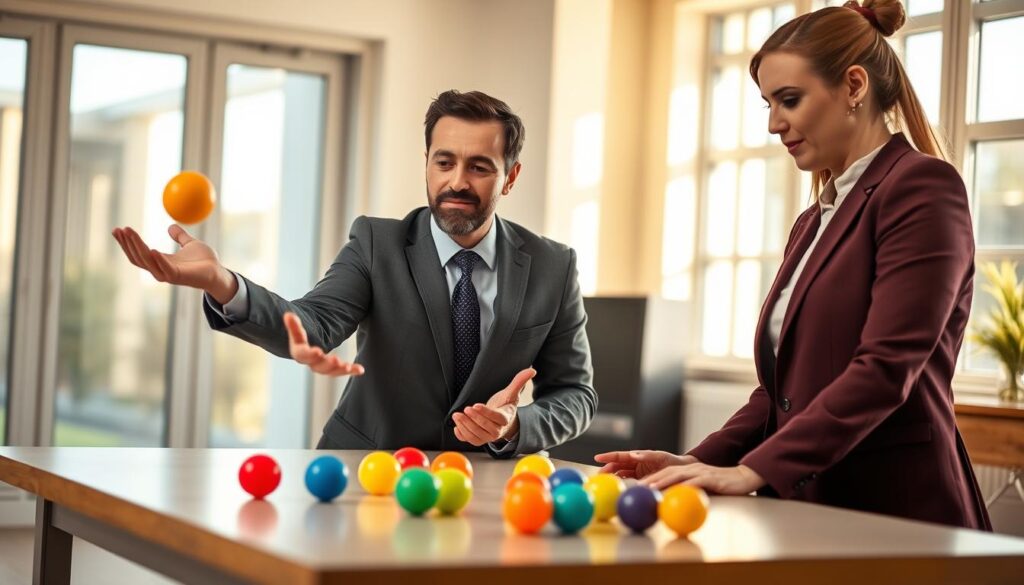
Impact on daily life: driving, cooking, dressing, and independence
Skills like aiming, timing, and sequencing let people complete chores and move confidently around the community. When these skills slip, small errors increase and confidence drops.
How reaction time and coordination decline with age
Age changes in brain processing and motor control can slow reaction and response time. Preventive Medicine reports inactive adults 45+ face nearly double the risk of decline compared to active peers.
Multiple studies show regular exercise and mentally engaging activity preserve thinking and reduce risk. Small, focused practice can help close the gap between what the brain plans and what the hands do, restoring function and safety.
The brain-body connection: how coordination training sharpens cognition
Pairing quick visual tasks with precise movement trains the nervous system to respond faster and cleaner.
The CDC notes that regular physical activity supports thinking and problem-solving. Preventive Medicine reports that inactivity nearly doubles the risk of cognitive decline after 45. These findings back a simple idea: active practice ties sight to action and boosts brain function.

Practices that link tracking, reaching, aiming, and catching force the mind to sync visual input and timed outputs. That repeated pairing strengthens neural connections and trims split-second delays.
Drills demand quick shifts in attention. That work supports memory and decision speed. Even short, regular sessions help filter distractions and improve the ability to pick the right response under change.
| Movement | Cognitive target | Practical benefit |
|---|---|---|
| Tracking | Attention & processing | Safer driving and object avoidance |
| Aiming & reaching | Accuracy & planning | Better cooking and dressing tasks |
| Catching | Speed & timing | Faster reaction in daily tasks |
“Physical activity supports thinking and problem-solving.”
Study-informed training pairs movement and feedback, so the mind learns faster than with passive tasks. This makes coordination work a practical way to sharpen both daily skills and higher-level thinking.
Getting started safely: assessing delay, modifying activities, and pacing progress
A short accuracy test gives a snapshot of current skills and helps set safe goals.
Time a simple test: try 20 gentle toss-and-catch reps using the same hand, record misses, and note how steady the time is. This quick check highlights which tasks need focus and whether progress is steady.
Choose an activity that matches current ability. Start standing on a stable surface, use larger targets, and move slowly. Only raise speed or distance when both hands stay relaxed and controlled.
- Keep sessions short and stop before fatigue. Use soft balls and clear space to reduce risk.
- Modify by sitting, using two-hand catches, closer wall bounces, or larger paddles to build confidence.
- Warm up wrists, fingers, and shoulders with gentle range-of-motion moves before practice.
| Check | Easy option | Why it helps |
|---|---|---|
| Baseline test | 20 tosses, same hand | Shows accuracy, misses, and time |
| Safety | Soft ball, uncluttered area | Reduces falls and injury risk |
| Progress plan | Short sessions, track effort | Paces gains and avoids fatigue |
“Small, repeatable checks make steady improvement safer and more measurable.”
Schedule exercises when attention and energy peak. Track time and perceived effort to pace steady progress and keep practice both safe and effective.
Quick-win ball and paddle sports that boost reaction, accuracy, and attention
Quick, social ball sports offer repeatable drills that build accuracy and attention.
Pickleball stands out as a quick-start option. The larger ball and smaller court make it approachable. Repeated volleys train reaction, accuracy, and enjoyable play. Leisure Studies note rising participation and links to better depth perception and lower depression risk in older people.
Ping-Pong delivers intense, short bursts of practice. Fast exchanges sharpen timing and attention. Short rallies are easy to scale; increase duration as comfort and skill improve.
Rackets and net sports: tracking speed and depth
Tennis and badminton train tracking, speed, and depth perception. Try mini-tennis or slower shuttle feeds to build confidence. These progressions emphasize movements and positioning over power.
Targets and steady release: precision drills
Bowling helps refine ball line and consistent release. Focus on steady approach and relaxed grip to reduce tension and increase accuracy.
Darts rewards calm focus and repeatable mechanics. Short sets are low exertion and excellent for aiming practice.
“Frequent, brief sessions that prioritize form over force deliver the best, measurable gains.”
| Activity | Key benefit | How to scale |
|---|---|---|
| Pickleball | Depth perception, volley reaction | Short rallies, smaller court, larger target |
| Ping-Pong | Quick timing, attention | Practice 5–10 minute drills, increase rally length |
| Tennis / Badminton | Tracking, court movements | Mini drills, slower feeds, doubles play |
| Bowling / Darts | Precision and steady release | Focus sets, consistent mechanics, low reps |
- Play with partners to stay motivated and add light exercise.
- Keep sessions brief and frequent. Emphasize form, not force.
- Use this study-backed approach to track small, steady gains.
Low-impact options for gentle, sustained coordination training
Gentle, steady practices offer durable gains in timing, balance, and precise movement.
Tai chi: joint-friendly sequencing that trains timing and posture
Tai chi uses slow, controlled movements that link posture, breath, and weight shifts. These sequences teach timing and smooth transitions while reducing joint stress.
A study in Disability and Rehabilitation found nearly 20% improvement in hand-eye coordination after three months of tai chi practiced three times weekly. Clinical Interventions in Aging also reports cognitive gains when sessions run 30–60 minutes, three times a week.
Repeating forms reinforces memory and recall. That patterning supports focus and builds confidence in balance and controlled movements.
Gardening as practical, low-impact training
Planting, weeding, and watering refine visual-motor skills, reach, and hand positioning without high impact.
Research in the International Journal of Environmental Research and Public Health showed that two hours weekly of horticultural activity over eight weeks improved coordination and supported neural changes tied to cognitive ability.
- Start with raised beds and ergonomic tools to reduce bending and strain.
- Use short intervals (15–30 minutes) and repeat several times per week.
- Track progress by noting steady gains in accuracy and ease of movements.
“Steady, low-impact practice builds both body ability and mental skills over time.”
brain coordination games for adults with hand-eye delay
A mix of ball drills and precise tabletop tasks trains sight-to-action timing in small steps.
Action ideas: simple ball and toss drills
Start with easy moves that build rhythm and tracking. Bounce a ball to a wall and catch with the same hand. Then switch hands to add bilateral control.
Begin catches using a large, soft ball at close range. Step back slowly and add gentle side steps to challenge tracking. Try tetherball swings for a steady, rhythmic striking pattern.
Frisbee throws help read flight paths and adjust angle and spin. Juggling or simple two-ball tosses raise timing demands while staying low impact.
Fine-motor drills: precision and steady grip
Thread beads, work on small model kits, or paint inside tight borders. These tasks improve grip, steady the hands, and refine visual alignment.
Keep sessions brief and relax fingers between reps to avoid overgripping. Short, regular practice builds useful everyday skills.
| Activity | Main benefit | How to start |
|---|---|---|
| Ball wall bounce | Tracking & timing | Same-hand catches, then alternate |
| Tetherball / Frisbee | Rhythm & spatial reading | Slow reps, larger targets |
| Threading / model building | Fine motor control | Short sessions, steady grip |
“Short, repeated drills strengthen timing and precision without heavy exertion.”
Digital training: video and brain apps that demand speed and accuracy
Well-designed video practice provides fast feedback that helps sharpen reaction and aim.
Action, racing, and rhythm video titles force rapid, precise responses to changing on-screen targets. Use short bursts—5–15 minutes—to build accuracy under time pressure without fatigue.
Action, racing, and rhythm titles to train attention and timing
Pick high-contrast settings and large controls to reduce visual clutter. Racing and shooter modes boost tracking and split-second choice. Rhythm titles teach consistent timing by syncing movement to cues.
Structured platforms that target processing speed, focus, and memory
Programs like BrainHQ offer adaptive exercises that adjust difficulty and give measurable feedback on speed, attention, and memory. Some plans, including certain Medicare Advantage offerings, may include access.
- Set a timer for focused blocks to avoid overuse and keep quality high.
- Record scores or accuracy to track progress and nudge difficulty up when steady gains appear.
- Alternate fast-action sessions with calmer, targeted exercises to spread cognitive load and stay engaged.
- Choose user-friendly UI modes and large text/icons to tailor visual complexity while keeping training value.
| Type | Target | Start tip |
|---|---|---|
| Action / Racing | Tracking & quick choice | Short runs, reduce graphics, steady sessions |
| Rhythm | Timed response & attention | Begin slow, match beats, raise tempo gradually |
| Brain-training apps | Processing speed & memory | Follow adaptive drills, review progress reports |
“Short, repeatable digital practice gives clear feedback and a measurable way to improve function over time.”
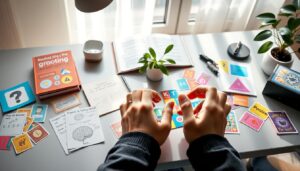
Board and tabletop choices to strengthen focus, planning, and hand control
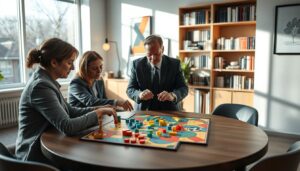
Turn-based tabletop play trains steady hands and careful planning in short, focused sessions.
Choose classic board titles that demand deliberate piece placement and slow, planned moves. Chess, checkers, and simple strategy boards reward calm thinking and steady hands.
Turn-based play to practice attention and sequencing
Take time on each turn to scan the board, plan a sequence, then execute a controlled move. This pause-practice-repeat pattern builds attention and timing without pressure.
- Use larger tokens or weighted pieces to ease grip and steady the hand during placement.
- Add card holders or tilted boards to reduce wrist strain while keeping the same cognitive challenge.
- Play short series of rounds (3–5 games) to track steady improvements in accuracy and speed.
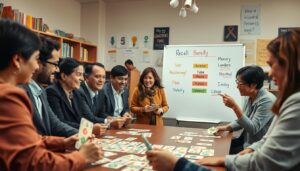
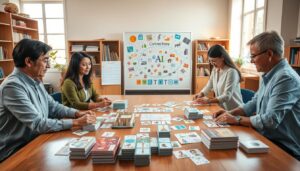
Tabletop sessions also boost social connection. Playing with a partner encourages conversation and sustained focus, which supports memory and planning.
“Short, repeated turns let people practice careful movement and sequencing in an enjoyable, low-impact way.”
| Choice | Main benefit | Adaptation |
|---|---|---|
| Chess / Checkers | Planning & precision | Larger pieces, slower clocks |
| Scrabble / Word tiles | Sequencing & attention | Tile racks, bigger letters |
| Jigsaw puzzles | Visual search & fine grip | Bigger pieces, raised edges |
Musical and juggling practices to sync both hands with visual cues
Music and basic toss routines pair sight and timed movement to build steady control.
Learning keyboard scales asks players to read visual cues and hit keys in timed sequences. This bilateral routine strengthens timing and finger independence while exercising working memory. Use a metronome for steady, metered training that makes each run accurate and repeatable.
Piano and keyboard scales for finger independence
Start with one-octave scales, slow tempo, and short bursts. Focus on both hands, one measure at a time. Gradually raise tempo only when fingers stay relaxed and notes are even.
Juggling progressions: two objects to a full series
Begin with two-ball tosses to learn arc and rhythm. Add a third object when catches feel smooth and relaxed. Use a marked ceiling spot or tape on a wall to standardize throw height so the hand can anticipate the next catch.
| Practice | Key focus | How to start |
|---|---|---|
| Scales | Timing & memory | Metronome, slow repetitions |
| Two-ball toss | Arc & rhythm | Short sets, steady throws |
| Three-object series | Timing & tracking | Add one object when smooth |
“Short, focused sessions build transferable skills for daily reach and fine control.”
Keep practice windows brief to avoid frustration. These musical and juggling activities translate to better controlled reach, finger dexterity, and sustained attention. Treat each run like a small game or set of games to stay motivated while improving movement and coordination.
Outdoor coordination activities that double as light exercise
Outdoor play can pair light aerobic movement with simple toss-and-catch drills to boost timing and confidence.
Choose short, easy sessions in a yard or park that mix movement and skill. Gentle wall ball throws, soft catch while walking, or Frisbee tosses train tracking and timed responses while you move the body.
Gardening counts as a useful activity. Two hours weekly over eight weeks improved coordination and showed neural changes in one study. Tasks like planting and pruning train reach, grip, and visual alignment and deliver health benefits.
- Try a five-minute walk, then two minutes of toss-and-catch to pair pacing and accuracy.
- Use soft equipment and shaded, even ground to keep movements controlled.
- Adjust distances and target size so each rep feels steady and confidence grows.
| Outdoor option | Benefit | How to start |
|---|---|---|
| Walking + toss | Light aerobic + timing | Short loops, soft ball |
| Pickleball warm-up | Tracking & social play | Slow rallies, larger ball |
| Gardening | Reach, grip, mental refresh | Short sessions, raised beds |
“Short outdoor play segments refresh focus and mood, helping people stick to regular practice.”
At-home micro-sessions: five- to ten-minute drills for busy schedules
Micro-sessions let busy people slot meaningful training into regular routines.
Short, regular bursts of practice reduce fatigue and build lasting skills. Plan three tiny blocks across the day to hit different targets: readiness, precision, and calm focus.
Morning priming
5 minutes of gentle wall tosses or keyboard finger drills wakes attention and cues the nervous system for the day’s tasks.
Mid-day accuracy
Spend 6–8 minutes on a dartboard with larger segments or a quick video rhythm test to sharpen timed taps and boost accuracy.
Evening calm-focus
Finish with slow ball passes, brief tai chi moves, or tracing patterns to reinforce steady attention before rest.
- Short exercises done daily build skills faster than long, sporadic sessions.
- Use a simple log: date, time, exercise, accuracy score (1–5), and one note on attention.
- Track which ways work best at each time of day and mark small wins.
| Session | Duration | Goal |
|---|---|---|
| Morning priming | 5 minutes | Warm-up, alertness |
| Mid-day block | 6–8 minutes | Accuracy & speed |
| Evening calm | 5–7 minutes | Focus & steady control |
“Short, consistent sessions are easy to keep and show steady gains over time.”
How to measure progress: accuracy, speed, and consistency over time
A few clear tests let you compare skill today to where you were last month.
Start with baseline sets that are easy to repeat. Count successful catches out of 20 in a fixed window, record dart grouping within larger target zones, or log steady rally length in a paddle drill. Use the same setup each time so results are comparable.
Score accuracy as a percentage and note variability across three sets. Track average hits and standard day-to-day swings to capture both mean performance and consistency.
Time specific drills (for example, 20 controlled wall bounces) to see if the same quality can be achieved faster. Record perceived effort and hand tension each session to ensure training improves function without overuse.
- Keep a short log: date, test type, raw score, percent accuracy, time, and a one-line note on effort.
- Compare weekly summaries and do a formal monthly review to spot trends.
“Regular testing turns practice into useful information and helps decide whether to raise difficulty or consolidate skills.”
Evidence-backed benefits: what recent studies and reviews indicate
Growing evidence shows that movement that demands timing and aim protects mental ability and mobility.
Physical activity, cognition, and reduced decline
Large reviews and specific studies connect regular exercise to clearer thinking and slower decline. The CDC highlights that activity supports thinking and problem-solving.
A Preventive Medicine study found inactive people 45+ face nearly double the risk of cognitive decline versus active peers. Other research shows coordinated sports and structured drills improve daily function and memory over time.
Mood, social connection, and sustained practice
Leisure Studies report that social sports—like casual pickleball play—cut depression risk and boost adherence. Group play makes people more likely to keep practicing long enough to see benefits.
Intervention studies offer concrete gains: tai chi trials in Disability and Rehabilitation showed almost 20% improvement in hand-eye coordination in three months, and Clinical Interventions in Aging found cognitive gains after regular sessions.
- Reviews emphasize that consistent, purposeful movement yields the largest benefits in function and life quality.
- Gardening studies in the International Journal of Environmental Research and Public Health link hobby activity to coordination gains and nerve-related improvements tied to memory.
- The clearest impact happens when movement is timed and goal-directed, which helps the brain translate sight into accurate action.
“Short, repeatable, socially supported practice produces measurable gains in both mood and task ability.”
Conclusion
Small, targeted practice that links sight and action can reduce response time and build useful daily skills.
These short, reliable ways help improve coordination and protect brain function in adults. Pick options that feel fun and sustainable—ball and paddle play, tai chi, gardening, digital drills, board play, music, or juggling. Enjoyment is a great way to keep going.
Organize a simple weekly series that mixes low-impact days and higher-focus sessions. Use the measurement tips and information here to set difficulty, track progress, and personalize each plan. Support recovery with good sleep, steady hydration, and a balanced diet.
Next step: choose one game or activity from this guide and schedule two brief sessions this week. Start small and build confidence as skills improve.
FAQ
What kinds of activities help adults improve motor–cognitive sync when they notice a hand–eye delay?
Start with simple, repeatable tasks that link sight and movement. Tossing a soft ball against a wall, playing catch, or using a lightweight paddle for short rallies builds timing and accuracy. Fine-motor drills like threading beads, sketching, or model building improve control. Alternate brief action drills and calm-focus tasks to train both speed and steadiness without fatigue.
How does slower reaction time affect everyday tasks like driving or cooking?
Slower responses can reduce safety and independence. Delayed visual-motor responses increase stopping distance while driving, make handling hot pans or sharp tools riskier, and slow dressing or buttoning. Targeted practice that improves processing speed and hand control lowers error rates and supports safer daily function.
Are there low-impact options for people who need gentler training?
Yes. Tai chi combines slow, coordinated movements with visual focus and improves balance and timing. Gardening tasks—planting seeds, pruning, watering—offer steady, purposeful hand work that refines visual-motor skills. These activities provide sustained practice with minimal joint stress.
Can sports like pickleball or table tennis really speed up visual-motor timing?
Absolutely. Fast-paced paddle sports force quick tracking, decision-making, and corrective hand movements. Short, frequent sessions improve reaction time, accuracy, and attention. Social play also boosts motivation, making consistent practice more likely.
What digital tools help train attention and timing safely at home?
Action, racing, and rhythm video games demand rapid visual tracking and precise timing, which can translate to real-world skills. Dedicated brain-training apps target processing speed, attention, and working memory. Use short, focused sessions and choose programs with clear progress tracking.
How should someone assess their current delay before starting exercises?
Begin with simple timed tests: measure how long it takes to catch a dropped ruler, hit a stationary target, or complete a bead-threading task. Record baseline accuracy and time over several trials. If there are major concerns—sudden changes, vision loss, or neurological symptoms—consult a physician or occupational therapist first.
How often and how long should practice sessions be to see improvement?
Short, regular micro-sessions work best. Aim for several five- to ten-minute drills daily, mixing quick-action rounds with calm-focus exercises. Consistency beats long, infrequent workouts. Track accuracy and reaction times weekly to monitor gains.
What measurements show real progress in timing and precision?
Track three simple metrics: accuracy (hit rate on targets), speed (reaction time in milliseconds or seconds), and consistency (variation across trials). Improvements in any two of these areas over weeks indicate meaningful gains. Use a notebook or app to log results.
Are there risks or safety tips when training coordination after experiencing delays?
Yes. Pace progression to avoid frustration and injury. Start with low-impact tools—soft balls, lightweight paddles—and practice seated if balance is a concern. Warm up joints and stop if you feel sharp pain, dizziness, or worsening vision. Seek professional guidance for persistent or worsening symptoms.
Do musical activities or juggling help improve bilateral control and timing?
Musical practice and juggling both train precise timing, sequencing, and both-hand coordination. Piano scales and simple rhythmic exercises strengthen bilateral motor planning. Juggling progressions—from two to three objects—improve tracking and split-second hand adjustments. Both offer measurable benefits when practiced steadily.
How do tabletop and board activities support attention and planning alongside hand control?
Turn-based games like chess, card games, and strategy board games train sequencing, foresight, and fine motor moves during setup and piece placement. These tasks strengthen planning and sustained attention while offering opportunities for deliberate, slow hand movements that build control.
What evidence supports improvement in timing and function from coordinated practice?
Multiple studies link targeted physical activity and skill training to faster processing speed, better attention, and reduced functional decline. Interventions combining movement and cognitive demands—sports, tai chi, and action-based training—show improvements in reaction time, accuracy, and mood when practiced consistently.
How can someone fit coordination practice into a busy day?
Use micro-sessions: a morning priming drill (five minutes of ball tosses), a mid-day accuracy set (target hits or fine-motor craft), and an evening calm-focus routine (gentle tai chi or finger exercises). Short, purposeful bursts spread throughout the day maintain consistency without taking large blocks of time.
When should a person see a clinician or therapist about persistent delays?
Seek professional evaluation if delays appear suddenly, worsen quickly, or accompany other signs like numbness, vision changes, slurred speech, or balance loss. Occupational therapists and neurologists can assess function, recommend tailored activities, and rule out treatable causes.